Top 10 creative summer camp crafts for kids of all ages
Get ready for a cheerful list of hands-on projects that make your season feel like a real camp day. You’ll find easy wins and showpiece keepsakes that work for toddlers, grade-schoolers, and tweens.
This guide pairs quick setup ideas with step-by-step material tips and kid-safe pointers. Projects range from rock painting and terrariums to bird feeders, friendship bracelets, bug hotels, and sidewalk chalk.
You can plan indoor or outdoor activities that double as decor or gifts. Expect smart prep tips, ways to scale each project, and simple collaboration ideas like rock exchanges and backyard hunts to keep kids social and engaged.
Use this collection as your roadmap: prioritize what you really need, try paint-based pieces that glow in sunlight, and find shortcuts like ready-made kits so you can start faster and enjoy a perfect summer of hands-on fun.
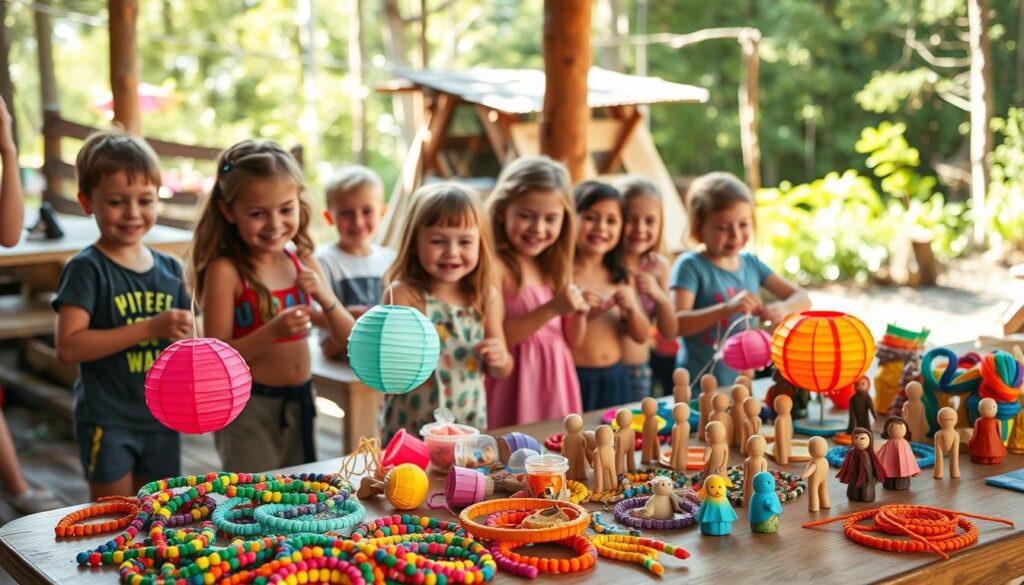
Set up your summer craft station with kid-safe supplies and easy clean-up tips
Create a kid-friendly workstation that keeps supplies handy and messes under control. A clear setup saves you time and lets kids get creative without a long prep. Keep the area near a sink or a small wash station for fast rinses.
Essential items you’ll actually use all season
Stock a core kit with washable tempera, acrylics, water-resistant paint for outdoor rocks, assorted brushes, white glue, scissors, and kid-safe sealant. Add cardstock, yarn, beads, pipe cleaners, and air-dry clay so you can pivot projects at a moment’s notice.
Quick prep, faster clean: trays, covers, and wash-up hacks
Use plastic trays or cafeteria-style compartment trays to contain beads and tiny bits. Protect surfaces with a reusable vinyl table cover or kraft paper. Tape edges so you can roll up messes and go.
- Set a labeled “brush spa” with water and a cloth for rinsing.
- Pre-portion watered-down paint for straw art and measure mortar ahead of time.
- Use stackable, lidded bins by project for fast reset.
Rock painting adventure: hide-and-seek stones that spark neighborhood fun
Turn ordinary stones into tiny treasures that get neighbors smiling. This easy project brings kids outdoors and turns artwork into a simple game. Use found river rocks or smooth pebbles and set up a small station with water-resistant paints and brushes.
Materials and water-resistant paint choices for outdoor play
Pick durable supplies. Gather smooth rocks, water-resistant paint, fine and medium brushes, and a quick sealant. Kits often include transfer designs to speed decorating and save time.
Design ideas and transfer stickers kids love
Offer simple patterns: smiley faces, mini animals, bold stripes, or kind words. Let kids try transfer stickers for precise shapes and faster results. Keep an ideas list on the table so everyone can copy or remix favorites.
Fun ways to launch a backyard or park rock hunt
Hide finished rocks in safe, visible spots and add a note on the back: “Keep or rehide!” Start a neighborhood exchange and map safe hiding zones like planters or park benches. Remind kids to respect gardens and private property.
| Item | Best Option | Brush Size | Tip |
|---|---|---|---|
| Rocks | Flat river stones | N/A | Wash and dry before painting |
| Paint | Water-resistant acrylic | Fine & medium | Layer thin coats for even coverage |
| Stickers | Transfer decals | N/A | Apply after paint cures |
| Sealant | Clear spray or brush-on | N/A | Protects from sprinklers and scuffs |
Grow-and-glow terrarium: a mini ecosystem kids can design and display
Turn a clear container into a living display that glows at night and teaches basic ecology. Mini ecosystem kits often include a jar, substrate layers, seeds or small plants, tiny figurines, and glow‑in‑the‑dark constellation stickers that make the scene magical after dusk.
Nature walk collection list
Take a short walk with your group to gather little things: small rocks, twigs, moss, and seed pods. These finds add texture and story to each build.
Layering, planting, and glow accents
Show kids how to layer drainage pebbles, potting soil, and a top layer for planting. Let one child choose where to place figurines while another applies glow stickers inside the lid.
Care tips to keep it thriving
Place the terrarium near bright, indirect light and water sparingly. Talk about plant life cycles and why drainage protects roots during hot summer days.
| Step | What to include | Why it matters |
|---|---|---|
| Collect | Rocks, sticks, moss | Adds natural texture and drainage paths |
| Layer | Pebbles, soil, plants | Keeps roots healthy and prevents rot |
| Decorate | Figurines, stickers, tiny souvenirs | Personalizes the display and encourages care |
| Maintain | Light, occasional water, weekly check | Extends plant life and learning over time |
Build and paint a bird feeder to welcome feathered friends
Turn ordinary plywood or a milk carton into a painted feeder that attracts local birds to your yard. Kits often include pre-cut plywood pieces, acrylic paint, rope, and suction cups so you can display the finished piece on a tree or window.
Kid-friendly assembly and painting techniques
Keep assembly safe: use pre-drilled pieces or pre-punch holes so kids follow simple instructions without sharp tools. Offer painter’s tape to make neat stripes and color blocks.
Where to hang feeders and how to observe responsibly
Hang one feeder from a branch in the garden and another on a house window with a suction cup so you can watch visits up close. Choose local seed mixes and avoid bread; that helps birds stay healthy.
- Place feeders away from busy doors and reflective glass to lower collision risk.
- Make checking seed and wiping the perch a short morning routine.
- Keep a small log to note which species come by and which designs work best.
| Kit Item | Purpose | Care Tip |
|---|---|---|
| Plywood or carton | Base structure | Sand edges and seal before use |
| Acrylic paint | Durable finish | Apply thin coats; let dry fully |
| Rope / suction cups | Hanging options | Check attachments weekly |
| Clear topcoat | Weather protection | Add after paint cures to extend life |
creative summer camp crafts that double as wearable art
Make jewelry time a hands-on way for tweens to show their style and trade with friends. These wearable projects use basic supplies and work well in groups. You can run quick sessions that leave everyone with something to wear.
Friendship bracelets: beaded and braided styles for every skill level
Set up a bracelet station with elastic cord, waxed thread, and alphabet beads so kids can finish fast projects and swap names. Use painter’s tape or a clipboard to hold strands steady while they knot.
Color wheel and rainbow clay pendants for a pop of color
Air-dry clay pendants are simple and bright. Roll thin stripes in a color wheel or rainbow pattern, press together, then shape and smooth.
Poke a hole with a skewer, let pieces air dry, and seal with a clear varnish. Add jump rings and cords so kids can wear them immediately.
- Offer braided and beaded options to match different skill levels.
- Keep supplies sorted by color so pattern planning is fast.
- Plan 20–30 minute projects to respect time and boost completion.
- Encourage matching sets—bracelet plus pendant—as a small personal collection.
| Project | Key Supplies | Suggested Time |
|---|---|---|
| Beaded bracelet | Elastic cord, alphabet beads, clasps | 20 minutes |
| Braided friendship | Waxed thread, clipboard/painter’s tape | 25 minutes |
| Clay pendant | Air-dry clay, skewer, clear sealer, jump rings | 30–60 minutes (drying overnight) |
Bug hotel and backyard nature projects kids can build
Make a simple insect shelter from things you already have and turn it into a hands-on summer project that fits a small group at camp or in your yard.
Simple structure and safe materials
Use small wood frames or clean tin cans and pack them with bamboo segments, twigs, pinecones, and corrugated cardboard rolls. Hollow stems and cardboard create cozy “rooms” for solitary bees and ladybugs.
Avoid treated wood and strong adhesives. Choose natural, untreated materials so guests stay healthy.
Where to place it and how to observe
Anchor the hotel at kid height in a sheltered, partly shaded spot near flowers or a small water source at home. Add a bark roof or shingles cut from a cereal box to keep rain out.
Turn maintenance into a learning activity by checking occupants, recording observations in a nature notebook, and rotating materials seasonally. Brainstorm ideas to attract different guests—hollow stems for bees, pinecones for beetles—and refresh damp twigs as needed.
- Build from scrap wood or repurpose a clean tin can.
- Use only safe, natural materials and minimal, low-fume adhesives.
- Anchor securely so kids can peek without disturbing residents.
| Part | Best Option | Why it helps |
|---|---|---|
| Frame | Scrap wood or tin can | Sturdy base that you can open |
| Filling | Bamboo, twigs, cardboard | Provides varied tunnels and shelter |
| Cover | Bark or cereal-box shingles | Keeps interior dry during rain |
| Location | Partly shaded near flowers | Attracts pollinators and beneficial things |
Sidewalk chalk from scratch and paint-by-air straw art
Make your own jumbo chalk sticks and a playful paint-by-air station to spark big driveway murals. Both projects use low-cost materials and teach color blending, technique, and outdoor cleanup as part of the fun.
DIY sidewalk chalk recipe, molds, and color mixing
Mix plaster of Paris with water and add tempera or food coloring for kid-safe hues. Pour into silicone molds or cardboard tubes wrapped in foil. Let cure fully, then peel out chunky sticks made for bold outdoor lines.
Teach color mixing right in the kitchen or on the patio. Combine primary pigments to make new shades. Use old muffin tins as labeled palettes so kids learn color names while they play.
Truffula tree-style straw painting kids can try outside
Set up a paint-by-air zone with diluted tempura or watered-down acrylic in shallow wells. Give each child a straw and demonstrate how to blow gently to create spiky, Truffula tree-style branches.
Keep both activities outside for easy cleanup. Offer stencils, tape, and sidewalk-safe rulers so murals, hopscotch boards, or geometric designs come out crisp. When you’re done, rinse pavement with a bucket of water—cleanup becomes one more splashy way to finish the activity.
- Materials: plaster of Paris, water, tempera/food coloring, silicone molds, straws.
- Setup tip: label muffin-tin wells and keep a water bucket nearby for rinses.
- Group idea: divide a large mural into sections so every child connects designs in the middle.
| Project | Key Ingredients | Best Use |
|---|---|---|
| Homemade chalk | Plaster of Paris, water, tempera/food coloring | Bold driveway drawings and hopscotch |
| Mold types | Silicone molds, cardboard tubes | Chunky sticks for small hands |
| Straw painting | Diluted paint, straws, muffin-tin palettes | Textured, Truffula-style murals |
| Cleanup | Bucket of water, hose or sponge | Easy outdoor rinse after play |
Garden stepping stones and beaded wind chimes for the patio
Give your patio a personal touch with colorful stepping stones and wind chimes that kids help make. These two projects add color and sound to your yard and teach simple hands-on techniques.
Designing mosaic stones with pebbles, glass, and sea glass
Mix mortar in a sturdy bowl, pour into molds, and let children press pebbles, glass beads, or sea glass into the surface. Sketch simple patterns first—initials, stars, or borders—so placement is confident before the mortar sets.
Cure the stones fully following package directions. Once set, place them along a path or near planters for a pop of color that lasts past the season.
Stringing beads and bells for a breezy patio sound
Cut several lengths of outdoor-friendly cord. Thread beads and small bells, then tie each strand to driftwood or a metal ring. Add a shell or smooth stone found at the beach to personalize each strand.
- Use UV-resistant cord so pieces hold up to sun and wind.
- Visit a local shop for mixed-size bells; varied tones create a pleasant chime.
- Hang finished pieces where a light breeze reaches them and away from doors to avoid clatter.
| Item | Best Option | Why it helps |
|---|---|---|
| Mortar | Fast-setting concrete mix | Holds pebbles and glass firmly for long-term use |
| Molds / bowl | Plastic or silicone molds; sturdy mixing bowl | Easy release and simple mixing in a single container |
| Beads & sea glass | Glass beads, beach finds, pebbles | Add color and texture for a custom design |
| Cord & bells | Outdoor cord, mixed bells | Durable strands and layered tones for gentle sound |
Tip: Keep extra supplies organized so each child can choose pieces and see their design come to life. This is a simple way to extend your list of kid-friendly projects and make keepsakes you’ll use in the yard.
Paper plate puffer fish, tissue butterflies, and shell people
Turn an afternoon into a themed making session that fills your house with handmade friends and bright displays. For a quick summer vibe, set up a small table with basic supplies and let each child pick a color story.
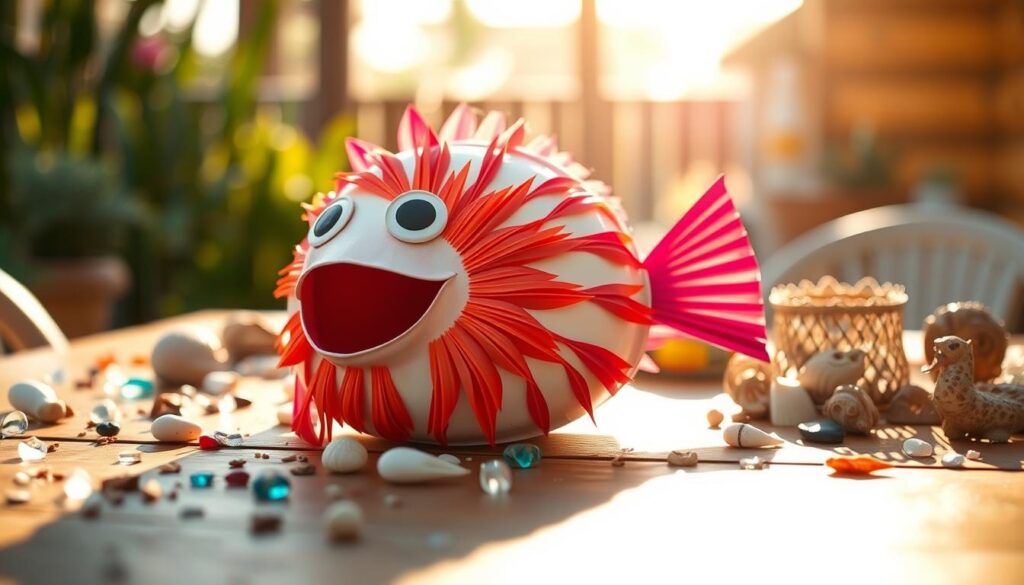
Paper plate puffer fish: paint plates in bold citrus shades, add googly eyes, then press toothpicks for spines with adult oversight. Use a light sealant so each piece holds up on a playroom wall.
Tissue butterflies: lay bleeding tissue paper pieces on wax paper, mist with water to blend hues, then scrunch the center and secure with a pipe cleaner for fluttering wings. Keep a small bowl of pre-cut tissue shapes so kids move fast from idea to finish.
Shell people: use shells from a recent beach trip to dress craft-stick characters. Add glitter, markers, and tiny beads to give each figure personality.
- Set a mini drying rack or clothespin line in the house so delicate pieces dry safely out of reach.
- Offer marker templates for eyes, smiles, and simple patterns so younger kids finish with confidence.
- Encourage siblings to make a “school of fish” or a window “butterfly garden” for layered display.
- If you need supplies, shop for a quick clear sealant to protect paint and tissue from smudges.
| Step | Materials | Safety Tip |
|---|---|---|
| Paint & decorate | Plates, paint, googly eyes | Supervise toothpicks for spines |
| Blend tissue wings | Bleeding tissue, pipe cleaners, bowl | Use misting spray, not soaking |
| Assemble shell people | Shells, craft sticks, markers | Glue small pieces with adult help |
Final tip: let kids choose one finished piece to display, then rotate the gallery so every creation gets a moment to shine.
Keep the camp vibes going: turn craft time into a summer ritual
Set a regular night each week so your family looks forward to a hands-on activity. Post a short list on the fridge and pick a theme—painting night, nature night, or wearable art—to keep things fresh.
Keep a rolling cart stocked with basic craft supplies and a top tray for in-progress pieces. Mix quick projects like bracelets with a larger craft project so time fits busy schedules.
Display finished work around the house, save one piece per week with a dated label, and end the season with a backyard gallery walk. Shop monthly sales for paint, paper, and beads so you have everything need without overspending.
FAQ
What are the top 10 kids’ projects you can try from this list?
The list includes painted rocks for neighborhood hunts, mini terrariums, DIY bird feeders, wearable art like friendship bracelets and clay pendants, a bug hotel, homemade sidewalk chalk, straw “paint-by-air” art, garden stepping stones, beaded wind chimes, and simple paper plate and shell crafts. You’ll find options for preschoolers through tweens, with low-mess and outdoor-friendly choices.
How do I set up a craft station that’s safe and easy to clean?
Pick a washable table cover or a plastic tray for each child, keep paper towels and wet wipes nearby, and use non-toxic, washable paints and glues. Organize supplies in clear bins or muffin tins so kids reach what they need. Place a small wash basin or portable sink close by for quick handwashing.
What essential supplies should I stock that you’ll actually use all summer?
Keep washable tempera paints, acrylic sealer for outdoor projects, paintbrushes in varied sizes, stickers and transfer sheets, assorted beads, twine, glue guns with low-heat settings for older kids, craft foam, scissors, and jars or trays for mixing. Add extra rocks, shells, and pebbles from nature walks to save shopping trips.
Any tips for quick prep and faster clean-up?
Pre-portion paint into palettes or muffin tins, use silicone mats for sticky projects, and give each child a labeled tray. Limit materials per activity to reduce spills. After crafting, have a 5‑minute tidy timer where kids return supplies and rinse tools — it makes end-of-day cleanup a habit.
What paint and sealers work best for outdoor rock hunts?
Use acrylic paints for bright, fast-drying colors, then seal painted stones with a clear spray or brush-on polyurethane rated for outdoor use. For extra water resistance, apply two thin sealer coats. Avoid oil-based paints that take too long and aren’t kid-friendly.
What design ideas and transfer stickers do kids love for rocks and terrariums?
Simple patterns—polka dots, smiley faces, animals, and mandalas—work well. Alphabet or themed sticker sheets (animals, sea creatures, flowers) let younger kids add detail without fine painting. Glow-in-the-dark stickers add nighttime fun for terrariums and stones.
How can I organize a backyard or park rock hunt safely?
Hide stones in easy-to-find spots for younger children and add clues or a simple map for older kids. Set clear boundaries and a time limit, and mark hazardous areas off-limits. Encourage participants to photograph tricky hides rather than disturbing wildlife or private property.
What should I collect on a nature walk for a terrarium project?
Gather small, clean rocks for drainage, tiny twigs, non-diseased moss pieces, and small decorative items like miniature shells or recycled plastic figurines. Avoid taking live plants from protected areas; instead use seedlings from garden centers or propagated cuttings.
How do you layer and care for a grow-and-glow terrarium?
Start with a drainage layer of pebbles, add activated charcoal to reduce odors, then a thin layer of potting mix. Plant small succulents or air plants and tuck in decorative accents, including glow-in-the-dark stickers. Keep terrariums in bright, indirect light and water sparingly to avoid mold.
What are kid-friendly steps to build and paint a bird feeder?
Use pre-cut wood or recycled items like milk cartons. Let kids sand edges lightly, assemble with non-toxic wood glue or screws (adult help for tools), and paint with exterior acrylics. Seal with a clear outdoor sealer. Fill feeders with birdseed blends suited to local species.
Where should we hang feeders and how do we observe birds responsibly?
Hang feeders where you can observe from a window but out of reach of predators. Clean feeders regularly to prevent disease, and avoid filling with moldy food. Keep observation sessions short and quiet so birds aren’t stressed; use binoculars for close looks.
What bracelet and pendant techniques work for all skill levels?
For beginners, fold-over friendship bracelets and simple beaded patterns are ideal. Intermediate kids can braid multiple strands or use macramé knots. For clay pendants, air-dry or polymer clay can be rolled, stamped with a color wheel or texture tools, baked if needed, then sealed and strung.
How do you build a simple, safe bug hotel?
Use a wooden box or pallet frame and fill compartments with dry sticks, hollow stems, pine cones, and bricks with holes. Place it off the ground in partial shade and avoid treated wood. This creates shelter for solitary bees, ladybugs, and other beneficial insects.
How can kids make sidewalk chalk and straw air-painting at home?
DIY chalk mixes combine Plaster of Paris, tempera paint, and water poured into silicone molds. For straw air-painting, dip one end of a straw into watered-down paint and blow across paper to create tree-like “Truffula” effects. Both projects are best done outdoors on a tarp.
What materials make sturdy garden stepping stones and pretty wind chimes?
Use quick-set cement or stone mix in round or square molds for stepping stones. Press in pebbles, sea glass, and small tiles for mosaics before curing. For wind chimes, string beads, bells, shells, and recycled metal pieces on durable cord and secure to a wooden hoop or driftwood for hanging.
What are easy paper plate and shell craft ideas for little hands?
Turn plates into pufferfish with paint and glued paper scales, or fold tissue paper into layered butterflies. Shell people use small shells glued onto wooden clothes pins or stones with painted faces. Keep pieces large and non-toxic for preschoolers.
How do I make craft time a weekly ritual that keeps kids engaged?
Pick a regular day and theme—nature week, ocean week, wearable week—and post a simple schedule with materials. Rotate indoor and outdoor activities, let kids suggest projects, and create a display area at home for finished work to celebrate progress.
Recent blog posts
How to Transition Your Home Into Summer Mode Effortlessly
How to Refresh Dark Rooms for Spring Without Painting
10 Best Spring Home Ideas for Small Spaces That Need More Light

How to Add Soft Handmade Details to Your Home This Spring

Decorating with Nature: 7 Simple Ways to Bring Spring Inside