Natural Easter egg dye ideas using fruits and vegetables
Welcome to a friendly, creative exploration of coloring springtime shells with everyday kitchen ingredients. Transform ordinary ovals into beautiful, eco-friendly works of art using fruits, vegetables, and pantry staples you likely already have at home.
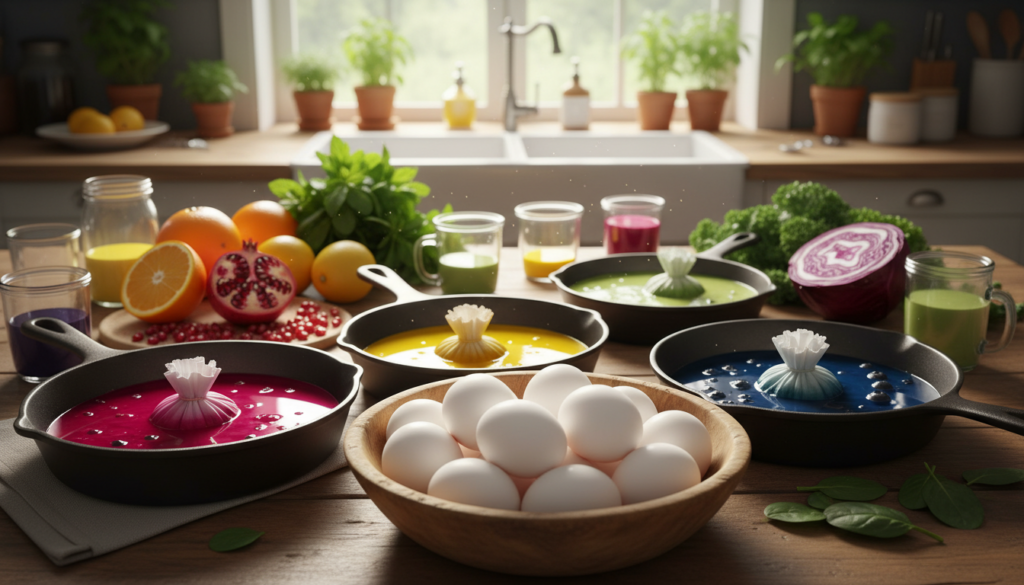
Discover how simple items like coffee can spark a lifelong quest for plant-based colors. These methods are safer, more sustainable, and just as vibrant as commercial kits.
For hundreds of years, families have created gorgeous holiday displays without artificial chemicals. They relied on rich pigments found in foods like onion skins, beets, berries, and spices.
This guide will walk you through everything you need to know. Learn to select the right ingredients and master creative techniques for stunning, one-of-a-kind results.
This approach is not just about avoiding artificial food coloring. It’s about connecting with tradition, teaching children about nature’s palette, and creating memorable family experiences in your kitchen.
We’ll set the stage for a practical, step-by-step process. Rest assured, this method is simple, forgiving, and leaves plenty of room for your own improvisation.
The finished products have a rustic, sophisticated aesthetic. They look like they belong in a high-end spring display, while remaining completely safe and edible.
Key Takeaways
- Transform ordinary ovals into beautiful works of art using kitchen staples.
- Discover how everyday foods like coffee, beets, and berries create vibrant hues.
- Learn a traditional method that avoids artificial chemicals.
- Create memorable family experiences while teaching about plant-based pigments.
- Enjoy a simple, forgiving process that encourages creativity.
- Achieve a rustic, sophisticated look for your spring display.
- Ensure your decorated shells are completely safe and edible.
Introduction to Natural Easter Egg Dye Ideas
Choosing plant-based pigments for your holiday crafts offers benefits far beyond simple aesthetics. Let’s look at the reasons this method is worth your time.
Why Choose Natural Dyes?
Commercial kits often use synthetic colorings. Some studies link these to attention and behavioral concerns in sensitive children.
Plant-based colorants provide peace of mind. They come from edible fruits, vegetables, and spices. Your finished shells stay completely safe to eat.
Regulations differ globally. Europe requires warning labels on many artificial food dyes still common in the United States. This makes homemade alternatives a smart, health-conscious choice.
You also help the planet. This process reuses kitchen scraps like onion skins. It avoids adding chemical waste to the environment.
For kids, it’s a fun science lesson. They see how different plants release unexpected colors. They learn beautiful things don’t need artificial additives.
Celebrating Tradition with Fresh Colors
This isn’t a new trend. For centuries, families worldwide used pantry items to decorate spring ovals.
The results have a timeless, elegant quality. You get soft pastels and earthy tones instead of neon brightness.
This approach connects you with seasonal rhythms. It encourages a fresh appreciation for the hidden potential in everyday foods.
Gathering Ingredients for Your Natural Easter Egg Dye Ideas
Open your pantry and fridge to discover a world of potential pigments for your project. The most reliable color producers are simple, everyday items.
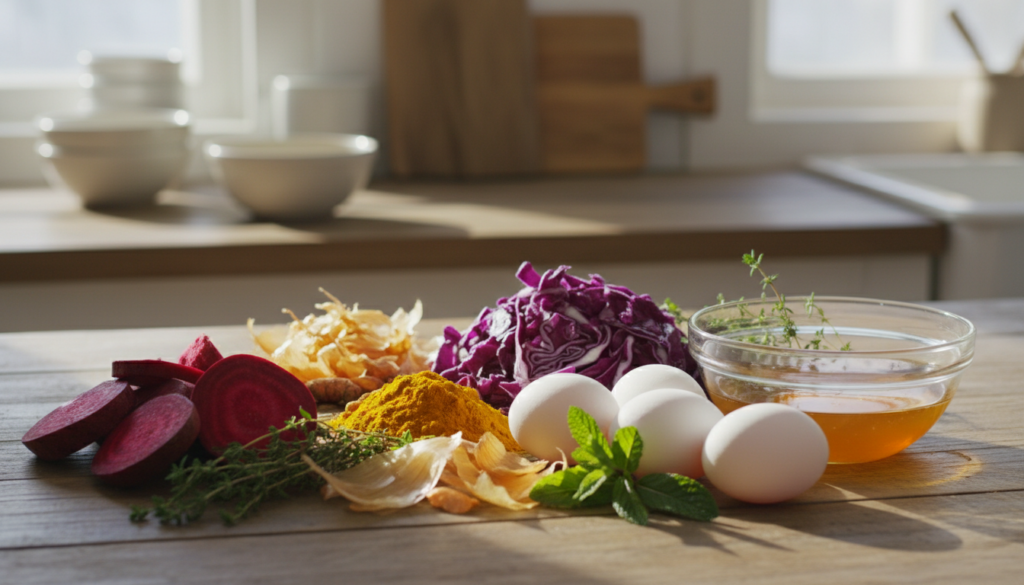
You can even simplify your list to just three base ingredients. Raw beets, yellow onion skins, and frozen blueberries provide red, yellow, and blue.
These primary colors can be mixed to create virtually any hue in the rainbow.
Fruits, Vegetables, and Spices for Vivid Colors
Yellow onion skins create beautiful marbleized oranges and golds. Combined with rose petals, they yield peachy tones.
Shredded red cabbage is a superstar for stunning blues and teals. Beet root offers a brown with a purple cast, while its tops make a soft dove gray.
For a vibrant gold, turmeric is one of the most powerful options. Paprika gives a light orange, and cinnamon creates a subdued mahogany.
Using Pantry Staples and Garden Finds
Don’t overlook your coffee grounds or black tea. They produce rich milk-chocolate browns and reddish tans.
Frozen berries are excellent and convenient. Blueberries make deep blue, raspberries create light fuchsia, and blackberries yield a plum color.
Explore your garden for spinach (pale green) or carrot tops (soft gold). Always use only edible plant parts and rinse them well.
| Ingredient | Color Produced | Measurement Guide |
|---|---|---|
| Yellow Onion Skins | Marbleized Oranges, Yellows | 2 cups fresh skins per quart water |
| Shredded Red Cabbage | Midnight Blue, Teal | 2 cups fresh material per quart water |
| Ground Turmeric | Vivid Gold | 2 teaspoons per cup of water |
| Coffee Grounds | Milk-Chocolate Brown | 2 cups fresh material per quart water |
| Frozen Blueberries | Deep Blue | 2 cups berries per quart water |
Collect onion skins over time in a freezer bag. You’ll need about 20 onions’ worth for a pot of deep color.
White shells work best as a canvas for vibrant results. Brown or heirloom varieties give softer, more muted tones.
Step-by-Step Guide to Dyeing Your Eggs Naturally
The magic happens when you combine simple ingredients with a bit of patience and heat. This friendly guide walks you through the entire process, from your stovetop to a beautiful finished display.
Preparing the Eggs and Creating the Dye Bath
Begin with fresh, clean white shells in a stainless steel or enamel pot. Add your rinsed plant material, like onion skins or berries.
Cover everything with water that’s slightly warm. This reduces cracking risk. For most projects, add a teaspoon of white vinegar per cup of water.
The acid helps the color stick. Do not use vinegar if you’re working with onion skins. Their tannins create color without it.
Simmering, Soaking, and Achieving Vibrant Hues
Slowly bring the pot to a gentle boil. Then reduce the heat to a simmer. Cook for about 15 to 20 minutes.
Now you have a choice. Run cold water into the pot to stop cooking for lighter shades. Or, leave the shells in the warm dye bath for up to two hours for deeper color.
For the most intense results, refrigerate the whole pot overnight. An 8-hour soak works well. Longer steeping gives richer hues but may overcook the yolks.
The cold method—soaking pre-cooked shells—yields soft pastels. The boiled method described here creates more saturated colors. Let your ovals air-dry completely when done.
Finally, polish each one with a dab of vegetable oil on a soft cloth. This adds a lovely, subtle sheen to your handcrafted treasures.
Creative Techniques for Unique Dye Patterns
Move beyond simple solid colors by borrowing intricate patterns from your garden. You can create elegant silhouettes and organic marble effects using a few clever techniques.
Utilizing Leaves and Flowers for Natural Stencils
Use the shapes of small leaves and flowers as beautiful stencils. Crisp, well-defined herbs and blossoms work best.
| Plant | Type | Why It Works |
|---|---|---|
| Fern Fronds | Leaf | Delicate, detailed outlines |
| Basil or Mint | Herb | Distinctive shape, easy to find |
| Daisy | Flower | Clear, defined petals |
Soak your chosen leaf or bloom in warm water to soften it. Attach it to the clean shell using egg white thinned with water.
Cut an old nylon into a strip. Place the egg with the greenery inside. Pull the fabric tight, twist, and tie it securely.
Incorporating Kitchen Tools for Marbled Magic
For a stunning marbled look, turn to onion skins. Lay a square of cheesecloth flat. Cover it completely with yellow onion skins.
Add a layer of rose petals for peachy hints. Place the egg in the center. Gather the cloth edges tightly and tie them at the top.
Place the egg bundle in a pot of warm water. Remember, do not use vinegar with this method. Simmer for 15 minutes, then let it cool in the bath.
For a personal touch, use a clear wax crayon to write a name before you dye. The wax resists the color, leaving a lovely hidden message.
Exploring Variations in Natural Easter Egg Dye Ideas
Consider your kitchen a color laboratory where time and technique become your most powerful tools. A fascinating quirk of this craft is the illusion of color. A plant often produces a hue completely different from its own appearance.
Experimenting with Time, Temperature, and Dye Strength
You control the intensity. For soft pastels, a quick dip in the dye bath works. For deep, vibrant color, let shells soak for many hours—even overnight.
The more plant material you use, the richer the dye becomes. Also, try steaming ingredients instead of boiling them. This method can create a different shade from the same source.
Mixing Dye Sources for Custom Colors
Combine base dyes like you would paints. Blend beet liquid for red with onion skin gold. You can create any custom hue this way.
A pinch of baking soda can dramatically shift a color. For convenience, pure fruit juices are a great substitute. The results are beautifully unique.
Each naturally dyed shell will have its own character. Some look mottled or streaked. Embrace these imperfections as part of the naturally dyed charm.
Safety, Edibility, and Creative Maintenance Tips
Keeping your colorful creations safe to eat is just as important as making them beautiful. This section covers key practices for handling, storing, and enjoying your handcrafted treasures.
Ensuring Food Safety While Dyeing Eggs
Always use only edible plants or plant parts for your dye materials. Avoid toxic items like rhubarb leaves. Rinse all ingredients well, especially if not from your garden.
A word of caution: skip cayenne pepper. Boiling it releases vapors that can irritate your eyes. It’s not worth the discomfort.
If you steep shells for many hours for deep color, they may overcook. A green ring around the yolk is harmless. They remain perfectly safe to eat.
Tips for Storing and Serving Your Naturally Dyed Eggs
If you plan to eat them, refrigerate your dyed eggs immediately. They’ll stay fresh for up to one week. Purely decorative pieces can be left out at room temperature.
For a lovely shine, let each piece air-dry completely. Then polish it with a dab of vegetable or coconut oil on a soft cloth.
When removing stencil fabric, cut it away with scissors. Gently peel off the plant material to avoid smudging your design.
Let your creations dry fully on a paper towel. Rubbing them can smear the color.
White shells show colors most vibrantly. Brown ones give softer, earthy tones. Both are beautiful.
View your work as both art and food. Display them proudly, then enjoy them in salads or as snacks.
Conclusion
As you polish your final creations, you’re not just finishing a craft—you’re joining a timeless tradition. This simple process connects you with hundreds of years of family heritage. It’s an art passed down through generations.
The beauty of this method is its freedom. You can invent your own rules and embrace unexpected results. Once you start, you’ll see dye potential in everyday items like coffee or onion skins.
Your colorful shells have a rustic, sophisticated charm. They are completely safe and edible, making them perfect for your holiday display. This experience plants seeds of curiosity that will grow.
We encourage you to share your creations and continue experimenting. Embrace the joy of making something beautiful with nature’s gifts.
FAQ
Are these homemade colors safe to eat?
Yes! Since you’re using ingredients from your kitchen, like red cabbage or turmeric, the resulting hues are completely food-safe. Just ensure your eggs are cooked and handled properly before and after the dyeing process.
How long does it take to get a vibrant color?
Timing varies. For lighter shades, a 30-minute soak might work. For deeper, more saturated tones from sources like onion skins, you might leave them in the dye bath for several hours or even overnight in the refrigerator.
Can I use brown eggs instead of white ones?
A> Absolutely. Using brown eggs will create richer, more earthy and muted tones. It’s a wonderful way to experiment with different base colors for unique results.
Why do I need to add vinegar to the dye bath?
Adding a splash of white vinegar helps the color adhere to the shell. The acid in the vinegar slightly etches the surface, allowing the pigments from the vegetable or spice to bond better for a more vibrant finish.
What’s the best way to create patterns?
You can use items from nature! Try wrapping an egg in onion skins or placing small leaves or flower petals against the shell before securing it with cheesecloth. The dye will color around them, leaving a beautiful natural stencil.
How should I store my finished creations?
Keep your dyed eggs refrigerated just like you would with any hard-boiled egg. For the best quality, enjoy them within one week. The colors may darken slightly over time.
Recent blog posts

Top 10 Subtle Easter Home Styling Ideas for Small Spaces

How to create a peaceful spring atmosphere indoors
Spring inspired handmade pieces using natural textures

Soft pastel DIY projects inspired by spring skies

How to reset your home for spring without redecorating