Top 10 cute Halloween crafts for toddlers using safe materials
Get ready for some festive fun with your little ones! These creative projects are perfect for the spooky season. They use simple supplies you likely have at home.
Safety is our top priority. All materials are non-toxic and age-appropriate. Your child can explore freely without any worries.
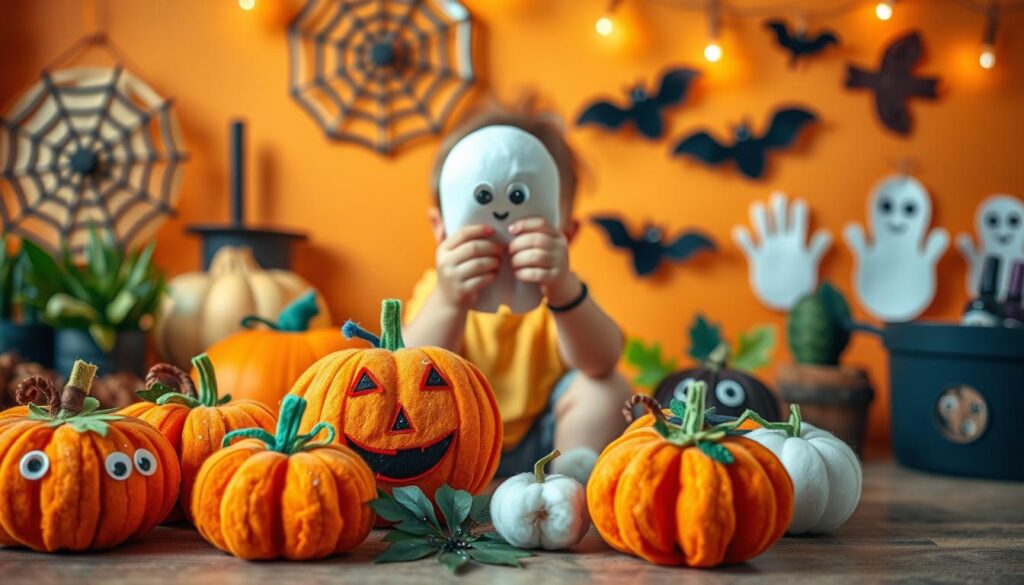
These activities help develop fine motor skills and hand-eye coordination. They also spark imagination and creative thinking. It’s learning disguised as play!
You’ll find ten wonderful ideas in this article. They range from paper pumpkins to painted projects. Each one promises giggles and seasonal joy.
Best of all, these moments become cherished family memories. You’re building traditions that last a lifetime. Let’s start crafting!
Key Takeaways
- All projects use safe, non-toxic materials perfect for young children
- These activities support fine motor skill development and creativity
- Minimal preparation needed with common household items
- Perfect for both individual play and group settings
- Finished creations make wonderful seasonal decorations
- Balances educational value with holiday entertainment
- Creates opportunities for building family traditions
Getting Ready for Spooktacular Halloween Fun
Preparing for creative sessions with your little ones brings excitement to the season. These moments become magical opportunities for growth and connection.
You’ll discover how simple activities can transform into meaningful experiences. The setup process itself becomes part of the adventure.
Why Crafting With Toddlers Is So Rewarding
Watching young children create brings immense joy. Their concentrated expressions and proud smiles make every moment precious.
These sessions build more than just decorations. They strengthen bonds between you and your child.
Developmental benefits shine through each project. Little hands gain strength and coordination through cutting, gluing, and painting.
“Creative engagement through seasonal projects offers motor skill development and family bonding opportunities that last beyond the activity itself.”
Children experience genuine accomplishment when completing their masterpieces. This builds confidence that carries into other areas of life.
The emotional rewards extend to parents too. You create shared memories that become part of your family story.
Setting Up Your Halloween Craft Station
Organization makes everything more enjoyable. A well-prepared space ensures stress-free creativity.
Gather these essential supplies before beginning:
- Washable paint in seasonal colors
- Child-safe glue sticks and liquid glue
- Construction paper and basic craft materials
- Protective table covering or old newspaper
- Smocks or old shirts for mess protection
Choose a time when energy levels are optimal. Morning hours often work best for young children.
Prepare all materials before inviting your little artist to the table. This prevents frustration and keeps focus on the fun.
Keep supplies within easy reach but organized. Small containers help separate different materials neatly.
Remember that the process matters more than perfection. Embrace the joyful mess that comes with creative exploration!
Essential Safety Tips for Toddler Halloween Crafts
Creating with young children brings immense joy. Safety ensures these moments remain worry-free and positive. This guide helps you prepare properly.
You want your little one to explore freely. The right approach makes all the difference. Let’s build confidence through secure creative play.
Choosing Non-Toxic Materials
Always select supplies marked “non-toxic” specifically for children. These products undergo rigorous safety testing. They contain no harmful chemicals.
Look for the ACMI AP seal on art materials. This certification indicates complete safety for kids. Many stores now label child-safe items clearly.
Avoid these common household items:
- Permanent markers containing solvents
- Glitter that can irritate eyes or lungs
- Small beads or buttons posing choking risks
- Adult glues with strong fumes
Excellent alternatives exist for traditional supplies. Use washable paint instead of permanent varieties. Choose large, child-friendly materials always.
Age-Appropriate Tools and Supervision
Proper tools prevent accidents while encouraging independence. Blunt-ended scissors work perfectly for little hands. They cut paper without sharp points.
Always maintain visual contact during creative sessions. Sit beside your child rather than across the table. This allows quick assistance if needed.
Teach basic safety rules through simple phrases. “Scissors only cut paper” establishes clear boundaries. “Glue stays on the project” prevents messy experiments.
Keep a small first aid kit nearby just in case. Bandages and antiseptic wipes handle minor mishaps. Emergency numbers should be visible too.
| Potential Hazard | Safe Alternative | Benefit |
|---|---|---|
| Small googly eyes | Paper cut-out eyes | Eliminates choking risk |
| Standard scissors | Blunt-tip scissors | Prevents poking injuries |
| Toxic markers | Washable markers | Non-toxic and easily cleaned |
| Loose glitter | Pre-glittered paper | Contains sparkle safely |
Remember that materials should be larger than a child’s mouth. This simple test prevents most choking incidents. When in doubt, choose bigger items.
Supervision means engaged participation rather than distant watching. Your presence makes the activity more enjoyable too. Together, you create wonderful memories safely.
1. Paper Plate Pumpkin Faces
Transform simple supplies into cheerful seasonal characters! This engaging project combines creativity with skill development. Your little artist will delight in making their own pumpkin friend.
Materials You'll Need
Gather these child-safe supplies before starting:
- White paper plates (2 per pumpkin)
- Washable orange paint and brush
- Green construction paper for stems
- Child-safe glue sticks
- Black washable markers
- Safety scissors with rounded tips
All materials should be non-toxic and age-appropriate. Choose larger items to prevent choking hazards.
Step-by-Step Instructions
Follow these simple steps for success:
- Paint the front of both plates orange. Let them dry completely.
- Cut a stem shape from green paper. Glue it to the top plate.
- Draw a happy face using the black marker. Simple shapes work best.
- Glue the two plates together around the edges. Leave a small opening.
- Stuff with crumpled newspaper for a plump effect. Seal completely.
This activity builds fine motor skills through painting and assembling. Little hands gain coordination with each step.
Adjust the project for different skill levels. Younger children can focus on painting. Older preschoolers can practice cutting shapes.
Make the experience more engaging with pumpkin stories or songs. Talk about colors and shapes as you work together.
Cleanup is simple with washable materials. Use damp cloths for quick wipe-ups. Preserve the finished creation by displaying it proudly.
If challenges arise, offer gentle guidance. Hold plates steady while gluing. Demonstrate marker techniques on scrap paper.
Extend the fun by using the pumpkins in pretend play. Create a pumpkin patch display. These cheerful faces bring seasonal joy to any space!
2. Adorable Handprint Ghosts
Capture your child’s growing hands in a delightful keepsake that doubles as seasonal decor. This activity creates tangible memories you’ll treasure for years.
Little ones enjoy the sensory experience of paint on their hands. They giggle at the ticklish feeling while making their mark.
Creating Lasting Memories
Handprint projects become precious time capsules of childhood. You’ll watch those tiny hands grow through annual creations.
Use washable white paint for safe printing. Help your child press their hand firmly onto black construction paper.
Once dry, add two eyes to complete the ghost face. Large paper circles work well for young children.
Always date each creation on the back. Include your child’s age for future reminiscing.
This one simple project builds multiple skills. Children develop spatial awareness and cause-effect understanding.
“These handprint treasures document growth while creating connections that last beyond the season.”
Displaying Your Spooky Handprints
Showcase these special creations throughout your home. They make wonderful additions to seasonal displays.
Consider these display ideas:
- Create a ghost family gallery on your refrigerator
- Hang them as a mobile from doorways or ceilings
- Use them as place markers for holiday gatherings
- Incorporate them into your Halloween storytelling sessions
Take photos during the creative process. These images become part of your family memory archive.
For less mess, try the white paper variation. Trace hands instead of using paint for a clean alternative.
Children feel proud seeing their artwork displayed. This builds confidence and encourages future creativity.
The emotional benefits extend beyond the fun. You’re creating connections that last through years of holiday traditions.
3. Magical Balancing Bats
Watch your child’s eyes light up as they discover the wonder of physics through playful creation. This clever activity combines creative expression with basic scientific principles in the most delightful way.
Children marvel at seeing their bat perch perfectly on a fingertip. It feels like seasonal magic brought to life through simple paper and imagination.
These floating creatures become instant favorites. Young creators enjoy moving them around the house, discovering new perching spots.
The Science Behind the Balance
Balance occurs when weight distributes evenly around a central point. This project demonstrates center of gravity through hands-on exploration.
The secret lies in positioning wings symmetrically. Equal weight on both sides creates perfect equilibrium.
Children learn through experimentation. They adjust wing positions until finding the sweet spot.
This introduces basic physics concepts naturally. Kids grasp balance principles through direct experience rather than explanation.
Making It a Learning Experience
Transform this craft into an engaging science lesson. Ask questions that encourage problem-solving and curiosity.
Try these approaches during creation:
- Demonstrate imbalance by adding weight to one wing
- Show how smaller adjustments affect stability
- Compare different wing shapes and their balancing properties
- Test various perching surfaces like pencils or table edges
Children develop persistence through trial and error. Each adjustment brings them closer to success.
Celebrate discoveries together. Their excitement upon achieving balance creates powerful learning moments.
Extend the exploration with additional experiments. Try balancing other paper shapes or household items.
This develops critical thinking skills naturally. Children learn to predict, test, and adjust their approaches.
| Material | Purpose | Safety Feature |
|---|---|---|
| Black construction paper | Bat body and wings | Non-toxic, easy to cut |
| Paper clips | Weight adjustment | Rounded edges, large size |
| Blunt-tip scissors | Shape cutting | Safe for little hands |
| Washable marker | Adding details | Non-toxic, easily cleaned |
Adjust the project for different age levels. Younger children can decorate pre-cut shapes. Older kids can design their own bat variations.
Incorporate these creations into seasonal games. Create a bat obstacle course or balancing challenge.
The finished projects make wonderful decorations. Hang them from doorways or create a mobile display.
Most importantly, children gain confidence through successful creation. They learn that science can be playful and magical.
4. Tissue Paper Ghost Decorations
Let your little ones explore textures and shapes with this engaging paper activity. These floating spirits bring seasonal charm while developing important skills.
Children love the crinkly sound and soft feel of tissue paper. It’s a wonderful material for young hands to manipulate.
This project builds confidence through successful creation. Little artists feel proud of their spooky yet friendly ghosts.
Simple Steps for Little Hands
Begin with white tissue paper and child-safe glue. You’ll also need black construction paper for eyes.
Follow these easy steps:
- Help your child tear tissue paper into small pieces
- Draw a simple ghost shape on thicker paper
- Apply glue within the outline using a brush
- Press tissue pieces onto the glued area
- Add paper eyes once the body dries completely
Tearing paper strengthens finger muscles beautifully. This action supports fine motor development naturally.
Sticking pieces within boundaries improves hand-eye coordination. Children learn spatial awareness through placement.
Variations for Different Skill Levels
Adapt this project to match your child’s abilities. Simpler versions ensure success for younger creators.
Try these adjustments:
- Pre-cut tissue squares for beginners
- Use contact paper instead of glue for less mess
- Offer larger ghost outlines for easier filling
- Provide stickers instead of paper eyes
Contact paper creates a wonderful sensory experience. Children press tissue onto the sticky surface without glue.
This variation is perfect for very young kids. They enjoy the tactile feedback without sticky fingers.
For advanced creators, add multiple ghost sizes. Create a family with different expressions and features.
| Skill Level | Material Adjustment | Developmental Focus |
|---|---|---|
| Beginner | Pre-cut pieces, large outline | Basic sticking skills |
| Intermediate | Self-tearing, medium outline | Fine motor control |
| Advanced | Free-form creation, small details | Creative expression |
| Sensory Focus | Contact paper base | Tactile exploration |
Incorporate different paper textures for added interest. Try tissue, construction, and glossy papers together.
This introduces children to material properties. They discover how various papers feel and behave differently.
Display finished projects around your home. Hang them in windows as sun catchers or create a mobile.
These decorations make wonderful seasonal displays. Children enjoy seeing their artwork featured prominently.
Extend the activity by creating ghost families. Make different sizes and arrange them in spooky scenes.
Add storytelling to enhance the experience. Create simple narratives about your paper friends.
This project offers multiple learning opportunities. Children develop skills while having spooky fun.
5. Toilet Paper Roll Monster Friends
Turn ordinary household items into extraordinary playmates with this creative activity. Empty cardboard tubes become charming characters through simple transformations.
Your little ones will delight in giving these recycled materials new life. This project combines environmental awareness with imaginative fun.
Upcycling Everyday Items
Transforming common household objects teaches valuable lessons about resourcefulness. Children learn that creativity doesn’t require special supplies.
This approach reduces waste while encouraging inventive thinking. Your family can feel good about repurposing materials that might otherwise be discarded.
Basic supplies work perfectly for this project:
- Empty toilet paper or paper towel rolls
- Washable paint in various colors
- Child-safe glue sticks
- Construction paper for features
- Yarn or string for hanging decorations
Even the simplest materials can spark wonderful creations. The limited supplies actually boost creative problem-solving.
Encouraging Imagination Play
These friendly creatures become perfect companions for storytelling adventures. Children develop narratives around their unique monster personalities.
Watch as your child assigns names and characteristics to each creation. This open-ended play supports emotional development and social understanding.
Try these engaging variations:
- Create a monster family with different sizes
- Make happy, silly, or surprised expressions
- Add yarn hair or paper accessories
- Build a monster neighborhood from cardboard boxes
Imaginative play builds cognitive flexibility and language skills. Children practice expressing ideas and emotions through their characters.
Hang the finished monsters as party decorations. They add playful charm to any seasonal gathering.
| Monster Feature | Material Options | Skill Developed |
|---|---|---|
| Colorful bodies | Washable paint, markers | Color recognition |
| Expressive faces | Paper eyes, drawn features | Emotional expression |
| Textured details | Yarn, fabric scraps | Sensory exploration |
| Moving parts | Paper arms, wiggly eyes | Cause-effect understanding |
Adjust the complexity based on your child’s abilities. Younger children can focus on painting. Older kids can handle detailed feature creation.
Incorporate learning moments naturally. Count eyes together or name colors as you work. These subtle lessons make the activity educational.
The finished projects provide lasting play value. Children return to their monster friends again and again.
This craft demonstrates how ordinary objects hold extraordinary potential. Your child learns to see possibilities everywhere.
6. Pumpkin Sticker Collages
Discover the perfect solution for creative sessions with minimal cleanup. This engaging activity combines artistic expression with developmental benefits in the simplest way.
Your little ones will enjoy the independence this project offers. They can create freely without constant assistance or supervision.
No-Mess Crafting Option
Busy parents appreciate projects that maintain clean spaces. Sticker crafts eliminate paint spills and glue mishaps completely.
Choose large, easy-to-peel stickers designed for small hands. These materials allow frustration-free creativity.
You’ll need just a few basic supplies:
- Orange construction paper cut into pumpkin shapes
- Various Halloween-themed stickers
- Optional black paper for eyes and mouths
- Child-safe glue sticks for added details
Set up takes mere minutes. Simply provide the materials and let creativity flow!
Developing Fine Motor Skills
Peeling and placing stickers strengthens tiny finger muscles beautifully. This action develops the pincer grasp essential for writing skills later.
Children practice hand-eye coordination through precise placement. They learn to control movements within spatial boundaries.
Incorporate educational elements naturally:
- Sort stickers by color or shape
- Create patterns with alternating designs
- Count stickers as they’re placed
- Discuss spatial concepts like “above” and “beside”
These subtle lessons make the activity both fun and educational. Learning happens through play naturally.
Display finished collages as seasonal decorations. Hang them on windows or create a festive gallery wall.
Children feel proud seeing their artwork displayed prominently. This builds confidence and encourages future creativity.
As skills develop, introduce more complex projects. Try layered stickers or creating detailed scenes.
This simple craft offers big rewards for little artists. They gain independence while developing important skills.
7. Yarn-Wrapped Pumpkin Ornaments
Introduce your little ones to the wonderful world of textures with this engaging wrapping project. These charming decorations combine sensory exploration with creative expression in the most delightful way.
Children discover different yarn textures through hands-on experience. Soft, fuzzy, and smooth varieties offer unique sensory feedback. This tactile exploration supports cognitive development naturally.
Texture Exploration for Toddlers
Working with various yarn types provides valuable sensory input. Little fingers learn to distinguish between different materials. This builds neural connections through simple play.
Choose yarns with distinct textures for maximum benefit. Chenille offers soft fluffiness while cotton provides smooth consistency. Wool blends give slightly rougher feedback.
This activity develops fine motor skills beautifully. The wrapping motion strengthens hand muscles and improves coordination. Children gain control through repetitive practice.
The focused nature of wrapping creates calming engagement. Many kids find the rhythmic motion soothing and satisfying. This makes it perfect for quiet time activities.
Creating a Halloween Garland
Transform individual ornaments into a festive display. A yarn pumpkin garland adds seasonal charm to any room. The process becomes part of the creative fun.
Follow these simple steps for success:
- Create multiple pumpkins in different sizes
- Use orange yarn for traditional looks or experiment with colors
- Add green pipe cleaner stems for realistic details
- String finished pumpkins onto sturdy yarn or ribbon
- Space them evenly for balanced visual appeal
Adjust the project for different ability levels. Beginners can wrap pre-cut cardboard shapes. Advanced creators can design their own pumpkin forms.
Offer assistance with tricky wrapping techniques. Hold the base steady while little hands work. Demonstrate proper tension control if needed.
Incorporate learning moments naturally. Count wraps together or name colors as you work. These subtle lessons make the activity educational.
Display your garland across mantels or doorways. The finished creation brings handmade warmth to your seasonal decor. Children feel proud seeing their artwork featured prominently.
| Yarn Type | Sensory Quality | Skill Developed |
|---|---|---|
| Chenille | Soft and fuzzy | Tactile discrimination |
| Cotton | Smooth and consistent | Even wrapping technique |
| Wool blend | Slightly textured | Grip strength |
| Variegated | Visual interest | Color recognition |
Extend the fun by creating pumpkin families. Make different sizes and arrange them together. Add paper leaves or drawn faces for personality.
This project demonstrates how simple materials create beautiful results. Your child learns that creativity requires only imagination and basic supplies.
8. Friendly Paper Bag Monsters
Watch ordinary lunch bags transform into delightful puppet friends through simple creativity. This engaging project combines artistic expression with imaginative play in the most wonderful way.
Your little ones will adore bringing these characters to life. They become instant companions for storytelling adventures.
This activity offers multiple layers of fun. Children enjoy both the creation process and subsequent play sessions.
From Craft to Puppet Show
Paper bag monsters naturally evolve into perfect puppets. The built-in mouth opening creates instant animation possibilities.
Follow these simple steps for puppet creation:
- Paint the paper bag with washable colors
- Add construction paper features once dry
- Create expressive eyes and mouths
- Insert your hand to bring the character to life
Children develop fine motor skills through painting and assembling. The puppet play then builds language and social abilities.
Simple shows become magical learning experiences. Kids practice storytelling and emotional expression through their characters.
Adding Personality to Your Monsters
Each monster develops unique characteristics through creative choices. Color selection and feature placement define their personality.
Try these engaging variations:
- Happy monsters with bright colors and smiles
- Silly characters with wiggly eyes and crazy hair
- Surprised faces with wide eyes and open mouths
- Sleepy monsters with half-closed eyes
This process supports emotional development beautifully. Children explore different feelings through their creations.
Incorporate educational elements naturally. Discuss colors as you select paints. Name emotions as you create expressions.
Group activities become especially fun with this project. Multiple monsters can interact in imaginative play scenarios.
Children develop social skills through puppet conversations. They learn turn-taking and cooperative storytelling.
As skills progress, try more complex designs. Add movable parts or detailed accessories.
These creations make wonderful party activities too. Each child can create their own character for shared adventures.
The developmental benefits extend beyond the craft table. Puppet play builds confidence and communication abilities.
Most importantly, children discover the joy of bringing imagination to life. They learn that creativity knows no bounds!
9. Spooky Sensory Ghosts
Engage your child’s senses with this innovative approach to seasonal fun. These friendly spirits offer tactile exploration without the usual sticky mess.
Your little one will discover different textures through hands-on play. This method keeps everything clean while encouraging creativity.
Using Contact Paper for Easy Crafting
Contact paper creates the perfect sticky surface for sensory exploration. It eliminates the need for messy adhesives completely.
Simply peel the backing and tape it to a table or window. The sticky side faces up for easy material placement.
Children press various items onto the adhesive surface. Everything stays in place without liquid glue.
Cleanup becomes incredibly simple. Just roll up the finished creation when complete.
Incorporating Multiple Textures
Offer a variety of materials for rich sensory experiences. Different textures provide unique learning opportunities.
Try these engaging options:
- Cotton balls for soft, fluffy surfaces
- Fabric scraps with different weaves
- Tissue paper pieces that crinkle nicely
- Yarn strands in various thicknesses
Each material offers distinct tactile feedback. Children learn to discriminate between textures naturally.
This activity supports important developmental areas. Sensory play builds neural connections and cognitive skills.
Many children find the experience calming. The focused engagement helps regulate emotions beautifully.
| Material Type | Sensory Benefit | Skill Developed |
|---|---|---|
| Cotton balls | Soft tactile input | Gentle pressure control |
| Fabric scraps | Varied textures | Discrimination skills |
| Tissue paper | Crinkly sound feedback | Auditory processing |
| Yarn pieces | Linear textures | Fine motor precision |
Adapt the experience for different preferences. Some children enjoy bold textures while others prefer softer options.
Extend the play beyond ghost shapes. Create sensory collages or texture boards using the same method.
Display finished creations on windows as sun catchers. The light shining through adds visual interest.
This approach makes seasonal activities accessible to all young children. Everyone can participate successfully.
10. Candy Corn Paper Art
Bring the classic candy treat to life through colorful paper creation. This engaging project combines artistic fun with valuable learning opportunities.
Your little ones will enjoy the bright colors and simple shapes. It’s a wonderful way to explore seasonal themes safely.
This activity uses basic materials you likely have at home. The process builds important skills through hands-on fun.
Color Recognition Activity
Candy corn’s distinct color bands make it perfect for teaching color sequencing. Children learn to recognize and order yellow, orange, and white.
Use construction paper in these three shades. Help your child identify each color before starting.
The layered design naturally introduces pattern concepts. Kids see how colors create a recognizable sequence.
This develops visual discrimination skills beautifully. Children learn to notice details and differences.
Pattern Practice for Preschoolers
Creating candy corn art offers wonderful pattern practice. The repeating color sequence helps children understand basic patterns.
Start with simple three-color arrangements. As skills grow, try more complex variations.
This activity supports early math development. Children learn sequencing and ordering through hands-on experience.
Try these engaging approaches:
- Create pattern cards for children to follow
- Make mistakes in sequences for them to correct
- Experiment with different color combinations
- Count the layers together as you work
These subtle lessons make learning natural and fun. Kids absorb concepts through play rather than instruction.
The creation process itself builds fine motor skills. Cutting paper shapes strengthens hand muscles. Gluing pieces improves coordination.
Offer pre-cut pieces for younger children. Older kids can practice cutting their own shapes.
Use child-safe glue sticks for easy application. Demonstrate proper spreading techniques if needed.
Display finished artwork as seasonal decorations. They add cheerful color to any space.
Children feel proud seeing their creations displayed. This builds confidence and encourages future artistic exploration.
Displaying Your Toddler's Halloween Masterpieces
Seeing their artwork displayed proudly builds incredible confidence in young children. This recognition validates their creative efforts and encourages future exploration.
Your home becomes a gallery of seasonal joy when you showcase these special creations. Each piece tells a story of imagination and accomplishment.
Children beam with pride when they spot their work featured around the house. This positive reinforcement makes the entire activity more meaningful.
Creating a Halloween Gallery Wall
Designate a special area for showcasing seasonal artwork. This dedicated space honors your child’s creative efforts beautifully.
Follow these simple steps for an eye-catching display:
- Choose a prominent wall space at your child’s eye level
- Use removable adhesive strips to avoid wall damage
- Arrange pieces in an attractive collage pattern
- Add festive borders using colored paper or ribbon
- Include a title label with your child’s name and date
Rotate new pieces throughout October to maintain excitement. This keeps the display fresh and engaging.
Involve your little artist in the arrangement process. Let them decide where each piece should go. This ownership enhances their connection to the display.
Seasonal Table Displays
Transform ordinary surfaces into festive showcases for handmade treasures. Table displays allow three-dimensional arrangements that captivate attention.
Create charming scenes using these ideas:
- Group paper pumpkins into a miniature patch
- Arrange friendly ghosts along a mantel or shelf
- Create a monster parade across your dining table
- Build a candy corn village on a side table
Add natural elements like autumn leaves or small pumpkins. These touches enhance the seasonal theme beautifully.
Use tiered stands or boxes to create different levels. This adds visual interest and makes more pieces visible.
Document these special creations through photography. Take pictures of both the finished pieces and your child creating them. These images become precious memories.
Seasonal displays integrate perfectly with existing home decor. They add personal touches that store-bought items cannot match.
“When children see their work valued through display, they internalize the message that their ideas matter.”
Temporary display solutions work wonderfully for seasonal decorations. Removable hooks and adhesive strips protect your walls while allowing creative freedom.
The emotional benefits extend beyond the craft itself. Children develop lasting confidence through this recognition of their efforts.
Easy Halloween Treats to Make With Toddlers
Combine kitchen creativity with seasonal fun through these edible projects. Little hands can help create delicious decorations that disappear at snack time!
These activities blend cooking skills with artistic expression. Your child learns measurement and mixing while making tasty creations.
Banana Ghosts and Apple Monsters
Transform healthy snacks into playful characters. These simple treats require minimal preparation and maximum imagination.
For banana ghosts, peel and slice bananas in half. Press chocolate chips into the flesh to create friendly faces. Little fingers enjoy placing the edible eyes and mouths.
Apple monsters make crunchy alternatives. Cut apples into wedge-shaped mouths. Spread peanut butter between two slices. Add mini marshmallows for teeth.
Always supervise closely during food preparation. Demonstrate safe knife techniques if older children participate.
Monster Rice Krispie Treats
Create colorful rice cereal squares that become monster canvases. This classic treat gets a seasonal makeover with simple decorations.
Prepare rice Krispie treats according to package directions. Divide the mixture and add food coloring to different portions. Kids love watching the color change!
Press the colored mixtures into a pan. Once cooled, cut into squares. Let your child decorate with candy eyes and frosting details.
This activity teaches color mixing and patience. Waiting for treats to cool becomes part of the learning process.
| Treat Type | Learning Opportunity | Safety Consideration |
|---|---|---|
| Banana Ghosts | Pattern recognition | Supervision with small items |
| Apple Monsters | Texture exploration | Allergy awareness |
| Rice Krispie Monsters | Color theory | Adult handling of hot mixtures |
Adapt recipes for dietary needs. Use sunflower butter instead of peanut butter. Choose dairy-free chocolate chips when necessary.
Incorporate counting practice naturally. Count chocolate chips as they’re placed. Measure ingredients together using cups and spoons.
These edible projects create wonderful party activities. Each child can decorate their own treat. The results taste as good as they look!
Most importantly, you build kitchen confidence early. Children learn that cooking can be creative and fun. These skills last long after the season ends.
Extending the Halloween Fun Beyond Crafts
Creative activities offer wonderful opportunities for seasonal enjoyment. You can expand the festive spirit through engaging play experiences. These alternatives complement your artistic projects beautifully.
Sensory bins and simple games provide additional developmental benefits. They encourage exploration and social interaction in new ways. Your little ones will delight in these varied experiences.
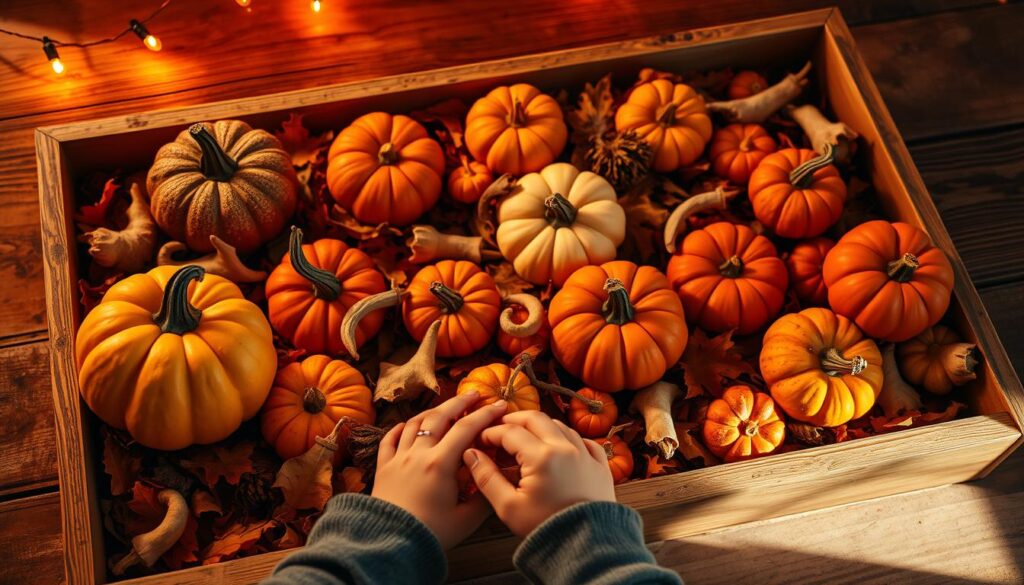
Halloween Sensory Bin Ideas
Sensory play supports cognitive growth and motor development. These activities engage multiple senses simultaneously. Children learn through hands-on exploration naturally.
Create a seasonal bin using dried rice or pasta as base material. Add small plastic pumpkins and spiders for thematic fun. Include scoops and containers for pouring practice.
This type of play builds important neural connections. Little hands develop strength through scooping and grasping. Children learn concepts like volume and texture through direct experience.
Always supervise closely during sensory activities. Ensure all materials are age-appropriate and non-toxic. Choose items larger than your child’s mouth for safety.
Try these engaging variations for different experiences:
- Colored rice with seasonal cookie cutters
- Corn kernel base with miniature hay bales
- Shredded paper with hidden thematic objects
- Water beads with floating ghost figures
Rotate materials to maintain interest throughout the season. Each new combination offers unique learning opportunities.
Incorporate educational elements through simple conversations. Discuss colors, textures, and seasonal themes as you play together.
Simple Halloween Games for Toddlers
Adapt traditional games for young children’s abilities and attention spans. Keep rules simple and focus on participation rather than competition.
Try a modified version of “Pin the Stem on the Pumpkin.” Use large, colorful pieces that are easy to handle. Celebrate every attempt with enthusiasm.
Create a “Monster Freeze Dance” activity. Play seasonal music and have children freeze when it stops. This develops listening skills and body control.
Set up a “Pumpkin Toss” using soft balls and baskets. Adjust distances based on your child’s throwing ability. This improves coordination and concentration.
For group settings, try a “Ghost Hunt” around your play area. Hide paper ghosts for children to find together. This encourages cooperation and observation skills.
Always emphasize fun over winning. Praise effort and participation throughout each game. Adjust activities based on your child’s interests and abilities.
These games work wonderfully for playdates or small gatherings. They create joyful memories beyond the craft table.
Building Memories Through Halloween Crafts for Toddlers
Creative moments with your little ones become precious treasures that last far beyond the season. These shared experiences weave beautiful threads into your family story. They transform simple activities into meaningful connections.
You’re not just making decorations together. You’re building foundations for lifelong bonds. These moments become anchors of joy in your child’s childhood memories.
The Lasting Value of Creative Time
Time spent creating together offers deep emotional benefits. Your child feels valued and heard during these special sessions. This builds self-esteem that carries into other areas of life.
These activities support more than just fine motor skills. They nurture emotional intelligence and creative thinking. Children learn problem-solving through hands-on exploration.
The psychological impact is significant too. Regular creative sessions provide stability and comfort. Your child comes to anticipate these joyful moments.
“Creative engagement through seasonal projects offers motor skill development and family bonding opportunities that last beyond the activity itself.”
Document these special times through simple photography. Snap pictures of both the process and finished projects. These images become visual stories of growth.
Create a dedicated memory box for each year’s creations. Include dated pieces and photos in a special container. Your child will love revisiting these memories later.
Starting New Family Traditions
Establishing annual crafting traditions creates beautiful predictability. Your family develops its own unique ways of celebrating. These rituals become part of your shared identity.
Begin with simple, repeatable activities. Choose one special craft to recreate each year. This consistency builds anticipation and comfort.
Involve extended family for richer experiences. Grandparents can join through video calls or visits. This creates intergenerational connections.
Consider these tradition-building ideas:
- Designate a special crafting weekend each October
- Create matching family costumes through simple projects
- Host a small crafting party with close friends
- Establish a yearly photo with finished creations
Adapt traditions as your child grows and skills develop. More complex projects can replace simpler ones over time. The core ritual remains while details evolve.
These traditions provide emotional security for young children. Predictable joyful experiences create feelings of safety. Your child learns that family time is special.
The benefits extend across generations. Grandparents often cherish these shared moments as much as children. You’re creating memories that everyone will treasure.
Most importantly, you’re building a family culture centered on creativity and connection. These values will guide your child long after the season ends.
Conclusion
Creative activities with young children offer so much more than just finished projects. They build precious memories and strengthen family bonds through shared joy.
Always prioritize safety with non-toxic materials. This ensures worry-free fun for everyone involved.
Remember that the process matters most. Embrace the messy, joyful moments of creation together.
Your little ones develop important skills through these engaging projects. Fine motor abilities grow alongside confidence and creativity.
Start with one simple activity and watch the magic unfold. These experiences become cherished traditions that last for years.
Display those wonderful creations proudly around your home. Each piece represents special time spent together.
Most importantly, have fun making memories that will warm your heart long after the season ends!
FAQ
What are the best materials to use for toddler-friendly projects?
You’ll want to stick with non-toxic options like construction paper, paper plates, washable paint, child-safe glue, and tissue paper. These items are safe, easy to handle, and perfect for little hands.
How can I make these activities educational for my child?
Many of these ideas are fantastic for learning! They help develop fine motor skills, color recognition, and pattern practice. For example, creating a candy corn paper art project is a wonderful way to teach colors and sequencing.
My toddler has a short attention span. Which project should we try first?
Start with something quick and satisfying, like the pumpkin sticker collage. It’s a no-mess option that provides instant results, keeping your little one engaged and proud of their creation.
Where is the best place to display our finished artwork?
Create a seasonal gallery wall in your playroom or use a table display in your entryway. Hanging a garland of yarn-wrapped pumpkin ornaments is another fun way to show off their masterpieces.
Are these projects suitable for a preschool party?
Absolutely! Projects like paper plate pumpkin faces and toilet paper roll monster friends are perfect for a group activity. They use simple materials and are easy for multiple kids to do at once.
Recent blog posts
Minimalist Summer Decor: 7 Easy Ways to Lighten Up Your Space
Easy Driftwood Wall Hanging DIY for a Coastal Living Room
Simple Summer Mantle Decor Ideas That Take Less Than 5 Minutes

Step-by-Step No-Sew Linen Throw Pillows for Summer 2026
Top 3 Cozy Summer Porch Decor Ideas for Small Spaces