10 interesting indoor DIY activities for kids on cold winter days
When the temperature drops and everyone is stuck inside, finding ways to keep your children entertained can be a challenge. Those long stretches indoors can quickly lead to boredom. You need creative solutions that turn potential restlessness into productive and engaging fun.
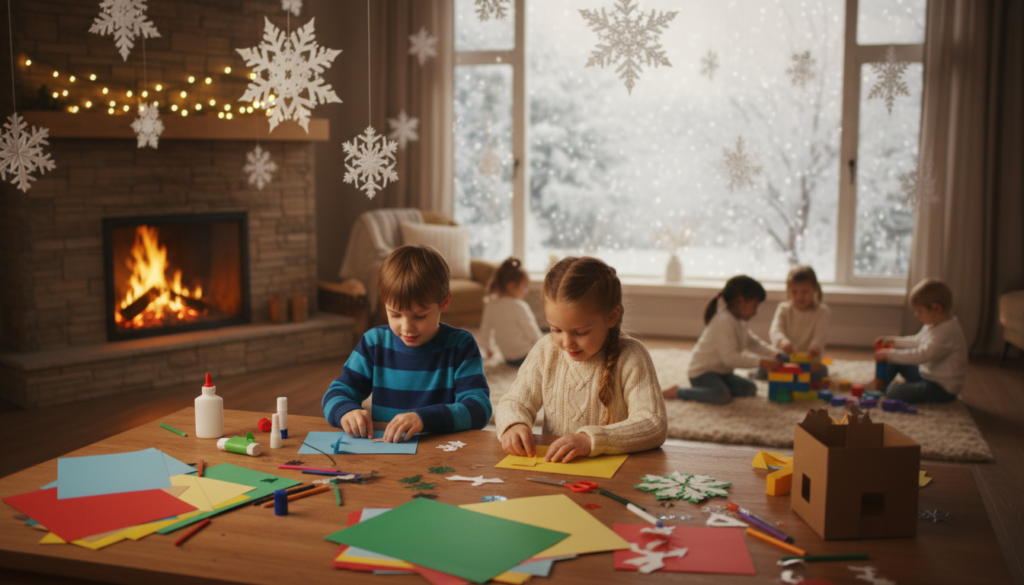
This guide is here to help. We have compiled a list of ten exciting projects designed to spark imagination and keep young minds active. These ideas range from simple crafts and fascinating science experiments to fun cooking projects and movement-based games.
Each suggestion uses common household items, making setup easy and affordable. The goal is to provide maximum engagement while helping your little ones develop essential skills. You can transform a dreary afternoon into a memorable and enjoyable experience for the whole family.
Whether it’s a snow day or you just prefer the cozy comfort of home, these projects are perfect. They make the season feel shorter and a whole lot more fun.
Key Takeaways
- Creative projects can turn indoor time into productive and fun experiences.
- This list offers a variety of engaging ideas, from crafts to science experiments.
- Most activities use materials you already have at home.
- These projects help children learn and develop new skills while having fun.
- Perfect for keeping the whole family happy during long stretches inside.
Introduction: Embracing Indoor Adventures
The seasonal shift brings unique opportunities to discover creative ways to keep children happily engaged within the comfort of home. Having a solid plan transforms what could be stressful situations into moments of connection and discovery.
Frosty weather doesn’t automatically lead to restless energy. Instead, it creates the perfect setting for quality moments together. When you approach this time with preparation, your living space becomes an exciting playground.
Planning ahead is the secret to success. With engaging projects ready to go, you avoid last-minute scrambling. Your home can rival any outdoor adventure with the right mindset.
These experiences offer more than just entertainment. They help young minds stay active while creating lasting family memories. The balance of learning, creativity, and movement keeps everyone content throughout the season.
Benefits of Indoor DIY Activities for Kids
Creative projects at home offer more than just entertainment—they build essential developmental foundations. Play-based learning represents the most effective approach for young minds to absorb new concepts and grow.
Watching a child’s imagination blossom is truly remarkable. The transition from simple imitation to original creation shows incredible cognitive growth.
Enhancing Creativity and Imagination
Hands-on projects provide exceptional opportunities for developing creative thinking. Unlike structured outdoor play, these experiences encourage unique problem-solving approaches.
When your child engages in building and crafting, they exercise their imagination. They learn to think beyond conventional boundaries and create their own solutions.
Developing Fine and Motor Skills
Fine motor development occurs naturally through various creative tasks. Cutting, threading, and painting all require precise hand movements.
Motor skills improve significantly with activities demanding hand-eye coordination. These abilities form the foundation for future academic success and critical thinking.
The combination of physical and mental engagement helps children develop holistically. Each project becomes a valuable learning experience that builds essential life skills.
Preparing Your Indoor Space for DIY Fun
Thoughtful space planning makes all the difference when engaging young minds with hands-on projects. A well-organized area transforms your home into a creative hub that encourages exploration and learning.
Choose a spot with easy-to-clean flooring and good lighting. This winter, having enough room for materials and movement ensures comfort during each activity.
Protect surfaces with plastic tablecloths or old sheets. This creates a worry-free zone where creativity can flourish without concern about messes.
Accessible storage bins help children gather supplies independently. Organized spaces save valuable time when transitioning between projects.
| Activity Station | Key Features | Best For |
|---|---|---|
| Craft Corner | Water-resistant surface, organized supplies | Painting and creative projects |
| Building Area | Open floor space, storage for blocks | Construction and engineering activities |
| Reading Nook | Comfortable seating, good lighting | Quiet time and storytelling |
| Movement Space | Clear area, soft flooring | Active play and games |
Keep cleaning supplies nearby for quick spill management. This approach makes the entire experience more enjoyable for everyone involved.
Essential Supplies and Materials for Crafting
The key to effortless creative fun lies in having a simple, organized collection of essential materials. A well-stocked supply list means you’re always ready for spontaneous activities. You won’t need to make a special trip to the store.
Start with the basics. Different types of paper are incredibly versatile. Construction paper, cardstock, and even old magazines open up a world of possibilities.
Many perfect supplies are already around your house. Recycled materials like cardboard boxes and plastic containers are fantastic for building. This approach is also eco-friendly.
Here are 10 fantastic items to always keep on hand:
- Construction paper
- Dot stickers
- Cotton balls or pom poms
- Popsicle sticks
- Shaving cream
- Painter’s tape
- Small plastic bowls
- Food coloring
- Crayons
- Measuring cups and spoons
Store everything in clear bins. This makes it easy for everyone to see what’s available. A little organization keeps the creative energy flowing smoothly.
Quick and Easy Craft Projects for a Rainy Day
Rainy afternoons call for simple, engaging projects that spark imagination without requiring complex setups. These classic crafts use materials you likely already have, making them perfect for spontaneous creative sessions.
Paper Crafts and Painting Ideas
Paper remains one of the most versatile materials for creative activities. With just construction paper, scissors, and glue, your children can create countless fun projects.
Guide them through making paper airplanes, origami animals, or colorful collages. For painting, try bubble painting—a unique technique where kids blow bubbles mixed with paint onto paper.
This method creates beautiful, marbled effects. It’s a fantastic list of ideas that combines art with a bit of science.
DIY Slime and Sensory Play Stations
Slime projects offer the perfect mix of science and hands-on fun. Simple recipes using glue and contact lens solution are always a hit.
You can create fluffy slime, glitter versions, or even magnetic types. These variations keep the experience fresh across multiple sessions.
For calming energetic children, set up a sensory station. Fill clear bins with rice, dried beans, or popcorn kernels.
This provides excellent tactile sensory experiences. It helps settle restless energy while keeping minds engaged.
| Project Type | Key Materials | Engagement Level |
|---|---|---|
| Paper Crafts | Paper, scissors, glue | High creativity |
| Bubble Painting | Paint, bubbles, paper | High excitement |
| DIY Slime | Glue, contact solution | Very high |
| Sensory Bins | Rice, beans, containers | Calming focus |
The simplest materials often inspire the most creative moments.
These quick solutions work perfectly when you need an immediate activity. They use common household items to create memorable experiences.
Engaging STEM Indoor DIY Activities
Unleash the power of curiosity through interactive science and technology projects that make learning an adventure. These hands-on explorations blend education with entertainment in ways that captivate young minds.
STEM projects combine multiple disciplines to create comprehensive learning experiences. Your children develop critical thinking while having genuine fun.
Simple Science Experiments for Kids
Transform everyday items into fascinating scientific tools. Create a tornado in a bottle using water and dish soap to demonstrate vortex formation.
Classic experiments like baking soda volcanoes never lose their appeal. These simple science activities teach basic chemical reactions using common household materials.
| Experiment Type | Key Concepts | Materials Needed |
|---|---|---|
| Tornado in Bottle | Vortex formation, fluid dynamics | Water, dish soap, bottles |
| Baking Soda Volcano | Chemical reactions, gas production | Baking soda, vinegar, container |
| Invisible Ink | Acid-base reactions, heat transfer | Lemon juice, paper, heat source |
| Homemade Lava Lamp | Density, immiscible liquids | Oil, water, food coloring |
Building with LEGO and Coding Games
Construction blocks offer endless engineering possibilities beyond basic building. Challenge your children to create marble runs or design weight-bearing bridges.
Introduce coding through free interactive websites and apps. These platforms make programming accessible and enjoyable for young learners.
STEM education teaches children how to think, not what to think.
These projects build essential skills that benefit academic growth and future success.
Outdoor-Inspired Indoor Games for a Snowy Day
Snowy weather doesn’t have to mean missing out on the thrill of outdoor winter games—you can recreate them inside your home. These imaginative adaptations bring the excitement of frosty play indoors while keeping everyone warm and comfortable.
Start with an epic indoor snowball battle. Crumple white paper into balls and wrap them with plastic wrap for safe, soft projectiles. Designate safe zones and let the friendly competition begin. This active game provides plenty of movement without anyone getting chilled.
Create magical ice lanterns that capture winter’s beauty. Fill balloons with water and freeze them overnight. Carefully remove the balloon shell to reveal a glowing ice sphere. Place a battery-operated candle inside for a stunning centerpiece.
Transform your living room into a cozy campsite. Pitch a tent or build a blanket fort for your adventure space. Share stories by flashlight and enjoy special “campfire” snacks together. This experience creates lasting memories of indoor exploration.
These creative adaptations teach valuable lessons about flexibility and imagination. Your children learn to find joy in any situation while staying active and engaged. The snowy day becomes an opportunity for connection rather than confinement.
Interactive Family Games to Keep Everyone Moving
Active games that involve the whole family create memorable moments while keeping everyone energized. These movement-based options provide essential physical exercise that children need, even when staying inside.
Classic choices like Follow the Leader and Freeze Dance remain popular for good reason. Kids love these games because they’re incredibly fun while secretly providing excellent exercise. The laughter and movement benefit everyone involved.
Building an obstacle course using household items sparks creativity and physical challenge. Use buckets, blankets, pillows, and balls to create a ninja warrior experience. This lets kids get creative while testing their agility.
Balloon tennis offers surprising entertainment with simple materials. Create paddles from paper plates and popsicle sticks, then try to keep a balloon airborne. It’s harder than it looks and keeps the whole family laughing together.
| Game Type | Primary Benefit | Materials Needed |
|---|---|---|
| Follow the Leader | Coordination development | No special equipment |
| Indoor Obstacle Course | Creative problem-solving | Household items |
| Balloon Tennis | Hand-eye coordination | Paper plates, sticks, balloon |
| DIY Bowling | Accuracy improvement | Plastic bottles, soft ball |
DIY indoor bowling with plastic bottles provides friendly competition while improving coordination. These physical activities help children burn excess energy that builds up during long stretches inside.
Playing together strengthens family bonds and creates positive associations with time spent at home. Movement-based games are particularly valuable for active children who struggle with sitting still.
Creative Cooking Projects for Kids
Cooking together creates lasting memories while teaching essential skills in the most delicious way possible. Your kitchen becomes a classroom where kids learn make choices and follow directions.
This time spent together builds confidence and creates positive associations with food preparation. Simple cooking projects turn ordinary ingredients into extraordinary experiences.
Mug Cakes and Healthy Treats
Mug cake recipes provide instant gratification. Your children can learn make individual desserts in minutes using the microwave.
For healthier options, try banana chocolate chip oatmeal bites. These nutritious treats prove that good food can also be good for you.
Homemade granola bars offer another excellent choice. Kids enjoy customizing their own combinations with favorite ingredients.
DIY Hot Chocolate and Fun Snacks
Elevate ordinary beverages with creative hot chocolate bombs. These delightful recipes transform a simple drink into an exciting project.
Snow ice cream creates magical winter moments. Capture fresh snow and transform it into maple sugar delight.
Each project teaches valuable lessons about measurements and kitchen safety. The hands-on approach makes learning natural and enjoyable.
Storytelling and Role-Playing Adventures
Storytelling and role-playing open doors to incredible worlds where your children can become anyone they imagine. These experiences build confidence and social skills through creative expression.
Dramatic play gives children of all ages opportunities to explore different characters. They develop emotional intelligence while acting out various scenarios.
Raid your dress-up bin to help everyone get into character for a family play. Your kids will love collaborating on storylines and performing for an audience.
Start a story and have each family member add a sentence. This creates hilarious, unpredictable narratives that spark your child’s imagination.
| Role-Playing Scenario | Key Skills Developed | Materials Needed |
|---|---|---|
| Running a Restaurant | Communication, organization | Play food, notepad |
| Doctor’s Office Visit | Empathy, problem-solving | Toy medical kit, stuffed animals |
| Grocery Store | Math skills, social interaction | Empty containers, play money |
| Space Exploration | Teamwork, creative thinking | Cardboard boxes, aluminum foil |
These activities help children process real-life experiences in a safe environment. Family stand-up sessions using age-appropriate jokes keep everyone laughing together.
Encouraging creative expression through play builds self-esteem and lasting memories. The benefits extend far beyond entertainment into essential life skills.
Incorporating Art to Spark Creativity
Art projects offer a powerful way to unlock your child’s imagination and provide meaningful creative expression. These experiences go beyond simple entertainment to build essential developmental skills.
Young minds flourish when given opportunities to explore colors, textures, and forms. The process of creation matters more than perfect results.
Finger Painting and Bubble Techniques
Finger painting provides wonderful sensory experiences for younger children. They learn color mixing while enjoying tactile exploration without pressure.
Bubble painting combines art and science in a unique way. Your children blow paint-filled bubbles onto paper to create textured patterns impossible with traditional brushes.
Both methods encourage free artistic expression. They help develop fine motor control and spatial awareness through hands-on experimentation.
Crafting with Recycled Materials
Transform everyday items into creative treasures. Toilet paper rolls become animals, trees, or characters with simple additions.
Cardboard boxes offer large-scale building opportunities. Your child can create playhouses, vehicles, or robots they can actually use.
These projects teach environmental responsibility while sparking imagination. The transformation from ordinary objects to extraordinary creations builds problem-solving skills.
| Art Technique | Primary Benefits | Best Age Group |
|---|---|---|
| Finger Painting | Sensory development, color recognition | Ages 2-5 |
| Bubble Painting | Creative experimentation, science learning | Ages 4-8 |
| Toilet Paper Roll Crafts | Fine motor skills, imagination | Ages 3-7 |
| Cardboard Box Projects | Spatial reasoning, large motor skills | Ages 4-10 |
Encouraging artistic expression without strict rules builds confidence. Your child learns that the creative process itself brings joy and satisfaction.
Indoor DIY Activities for Toddlers and Young Children
Toddlers possess an incredible capacity for discovery through tactile experiences that engage their senses. Their unique developmental needs require specially designed projects focusing on sensory exploration and motor skill development.
Sensory bins work miracles for young children. Filling a clear plastic bin with rice, dried pasta, or popcorn kernels creates calming tactile play that can occupy little ones for extended periods.
Adding scoops, cups, and small toys helps toddlers develop fine motor skills through pouring and manipulating objects. Simple sensory play like water exploration or play dough helps children process sensory information.
| Activity Type | Primary Benefits | Recommended Materials |
|---|---|---|
| Sensory Bin Play | Calming focus, tactile development | Rice, beans, scoops, small toys |
| Texture Exploration | Sensory processing, self-regulation | Play dough, water, fabric samples |
| Motor Skill Building | Fine motor development, coordination | Large beads, stacking blocks, crayons |
| Simple Craft Projects | Creativity, hand-eye coordination | Paper tearing, sticker activities |
These toddler-appropriate activities should always be supervised but allow freedom for exploration. Keeping a ready-made sensory bin on hand gives you an instant solution when your child needs engaging play.
Age-appropriate projects prevent frustration and build confidence as young kids successfully complete tasks designed for their developmental stage. The right activities turn potential restlessness into productive learning moments.
Maintaining Engagement Over Winter Days
The real challenge emerges when a single snow day stretches into an entire week of being housebound. Strategic planning becomes your best friend during these extended periods.
Create a flexible daily routine that mixes different types of engagement. Rotate between active games, quiet creative time, and educational projects.
This variety prevents any single activity from becoming stale. It keeps your children interested throughout the long winter day.
Observe when energy levels peak for more demanding tasks. Building transition periods between activities helps children shift gears smoothly.
Always have backup options ready when initial plans falter. This approach reduces stress during challenging weather stretches.
Remember that balanced screen time provides necessary breaks for everyone. The key lies in blending structure with spontaneity.
This framework keeps kids entertained while maintaining sanity during extended indoor time. You’ll create positive memories despite the confinement.
Unique Indoor DIY Activities for Kids on Cold Winter Days
Transform ordinary afternoons into magical experiences with these distinctive creations. When you want to go beyond typical crafts, these special projects deliver wonder that lasts.
Creating homemade snow globes brings the winter wonderland right into your living room. Your children can design their own miniature snowy scenes using jars, water, glitter, and small figurines. This activity captures the season’s beauty in a magical way.
Making a family time capsule creates meaningful connections across time. Gather current photos, drawings, and small treasures to open years later. Store your capsule in a safe, temperature-controlled space like a closet corner.
| Activity | Materials Needed | Special Benefits |
|---|---|---|
| Snow Globe Creation | Jar, water, glitter, figurines | Seasonal appreciation, creativity |
| Time Capsule Project | Container, photos, mementos | Family bonding, future anticipation |
| Pine Cone Bird Feeders | Pine cones, peanut butter, birdseed | Nature observation, wildlife care |
Pine cone bird feeders combine creativity with nature observation. Spread peanut butter on pine cones, roll them in birdseed, and hang outside. Your children will love watching feathered visitors from warm windows.
These unique ideas create lasting memories without expensive outings. They teach that special moments don’t require perfect weather. This list ensures you always have fresh, exciting activities your children haven’t done repeatedly.
Tips for Keeping DIY Sessions Fun and Interactive
Your attitude sets the tone for every project you undertake with children. When you show genuine excitement, your enthusiasm becomes contagious. Kids love seeing adults engaged in the creative process alongside them.
Give your children choices about which activity to try from your prepared list. Allowing them to select projects creates ownership and increases engagement. This simple way of involving them makes sessions more interactive.
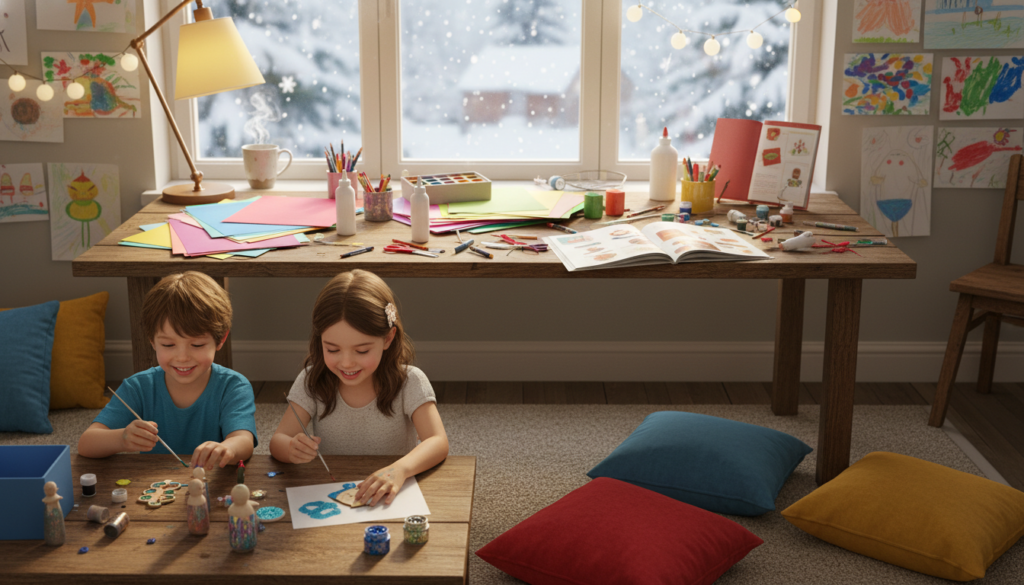
Prepare all materials before announcing the activity. This prevents frustration and keeps momentum going. Having everything ready transforms potential disasters into manageable experiences.
Focus on the process rather than perfect results. Embrace the mess and celebrate creative efforts. Playing background music and working together makes sessions feel special.
Adapt projects for different ages when multiple children participate. Older kids can help younger ones with modified versions. This approach ensures everyone stays engaged regardless of their skill level.
Remember that connection matters most. The interactive element—talking, laughing, and creating together—strengthens family bonds more than perfect outcomes.
Conclusion
The chill in the air no longer signals confinement but rather an invitation to meaningful family moments. You now have a treasure trove of creative options to make every day special.
Your home becomes the perfect setting for bonding and growth. Each child develops essential skills while having genuine fun. These activities create lasting memories that strengthen your family connections.
Remember to follow your kids‘ interests and adapt projects to suit their personalities. The best indoor activities are the ones they truly enjoy. This approach turns the winter season into a time of opportunity.
Keep this resource handy throughout the colder months. You’ll build traditions that make your space the most exciting place for your kids. Embrace the cozy winter days ahead with creativity and enthusiasm.
FAQ
What are some simple paper crafts my child can do with items around the house?
You can create a fun afternoon with paper plate masks, homemade greeting cards, or paper snowflakes. All you need is construction paper, safety scissors, glue, and crayons. These projects are fantastic for sparking imagination and working on those fine motor skills.
How can I make a sensory play station that isn’t too messy?
A great low-mess option is a sensory bin filled with dry rice or beans. Add cups, spoons, and small toys for scooping and digging. You can lay down an old sheet or tablecloth for easy cleanup. This type of play is wonderful for exploration and keeps little hands busy.
What’s an easy science experiment to try at home?
A classic and safe experiment is the “magic milk” activity. Pour some milk in a dish, add drops of food coloring, then touch the surface with a cotton swab dipped in dish soap. You’ll watch colors swirl like magic! It’s a quick way to introduce basic chemistry concepts.
My kids love slime. Do you have a basic slime recipe?
Absolutely! A simple recipe uses white school glue, baking soda, and contact lens solution. Mix ½ cup of glue with ½ tablespoon of baking soda. Add a few drops of food coloring, then slowly stir in contact lens solution until it forms. Always supervise this sticky, fun project.
What are some interactive games the whole family can play together?
Try an indoor scavenger hunt with a list of common household items. Or, set up a blanket fort and tell stories inside. Charades and simple board games are also perfect for getting everyone involved and moving, turning a cold day into special family time.
Are there any creative cooking projects suitable for young children?
Yes! Making mug cakes in the microwave is a huge hit. Kids can help measure and mix the simple ingredients right in the mug. Decorating their own personal pizza on English muffins or creating a “build-your-own” hot chocolate bar with marshmallows and sprinkles are also safe, engaging options.
Recent blog posts

Minimalist Summer Decor: 7 Easy Ways to Lighten Up Your Space

Easy Driftwood Wall Hanging DIY for a Coastal Living Room
Simple Summer Mantle Decor Ideas That Take Less Than 5 Minutes

Step-by-Step No-Sew Linen Throw Pillows for Summer 2026

Top 3 Cozy Summer Porch Decor Ideas for Small Spaces