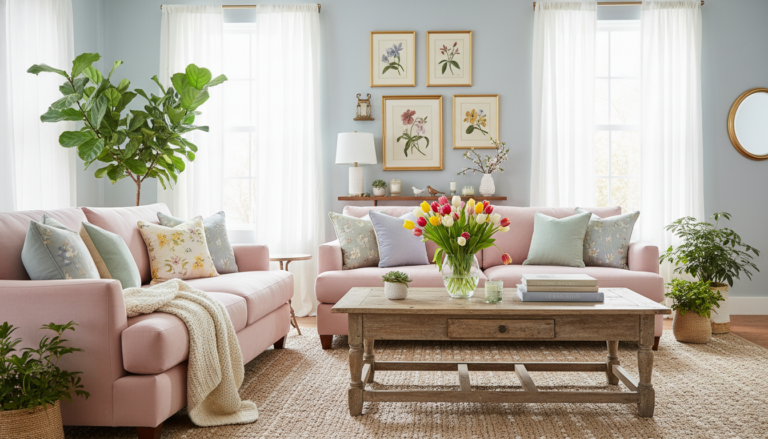
Top 3 light and breezy summer curtain styles for bedrooms
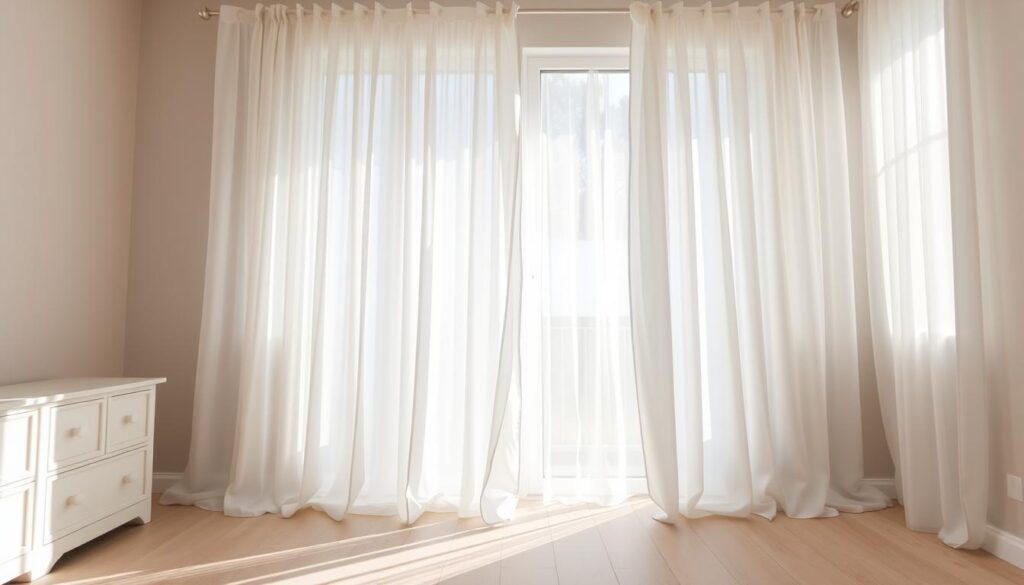
Refresh your bedroom without a heavy overhaul. You’ll learn three airy options—sheer linen panels, tailored Roman shades, and translucent café curtains—that keep the room cool and bright.
Design choices matter: printed sheers hung at ceiling height lengthen windows and soften glare, while bamboo blinds add warm texture and gentle filtration.
Layering sheers with blackout drapes gives you day-to-night control, and blue linen Roman shades let you tune tone from light to dramatic.
This intro covers quick mounting tips, fabric and color guidance, and real-room examples so you can pick the best look for your home. Continue reading to get practical ideas and easy swaps that make a big impact.
Key Takeaways
- Three top picks: sheer linen panels, Roman shades, and café curtains.
- Layer sheers with blackout drapes for flexible light control.
- Printed sheers and bamboo blinds bring height and natural warmth.
- Choose fabrics and color to keep the room cool and cohesive.
- Small installs and sizing tweaks deliver a fresh, polished look.
Why light, breezy bedroom curtains matter in summer
Choosing lightweight window treatments can turn a stuffy room into a calm, airy retreat. Lighter colors reflect sunlight, so the space feels cooler. Natural textiles like cotton and linen breathe better than synthetics and drape with a relaxed look.
Comfort first: reflect heat, soften glare, keep airflow
Sheer panels and voile diffuse harsh light and protect your eyes while keeping the room bright. Breathable fabric lets air move freely so naps and late mornings stay comfortable. Avoid heavy, dark pieces that trap warmth and make a space feel smaller.
Design second: seasonal color and fabric shifts that feel right now
Swap to whites, sands, and gentle greens to refresh your home without a full redo. These colors brighten the room and pair well with existing furniture. With a few simple swaps you get practical results and fresh ideas that match your daily life.
Keep reading: continue reading to see which fabric and color pairings will suit your space best and how to balance privacy with breezy performance in your treatments.
Sheer linen curtains for an airy, effortless look
Choose airy linen panels when you want light that feels soft, moves with the breeze, and keeps your room looking fresh. Lightweight voile, muslin, lace, and linen let air flow while reflecting heat. These fabrics keep your space calm without losing privacy.
Best fabrics to pick
Favor natural fibers. White voile, cotton, and slubbed linen read relaxed and breathe well. Muslin and lace sheers add texture without bulk.
Color and mounting tips
Crisp white is timeless. Sandstone neutrals and blush pink offer warm alternatives that still reflect light and brighten the room.
Mount panels at the ceiling to create illusion of taller windows. Keep hems just grazing the floor for an effortless finish.
Designer cue
- Use printed sheers to add personality; a subtle print filters glare and reduces heat gain.
- Choose double-wide panels for soft fullness and swap easily with slim rods in rentals.
- If needed, layer a discreet roller shade behind the sheers for night privacy.
Continue reading to see color pairings that flatter your walls and furniture.
Roman shades that read light and tailored
A tailored roman shade can crisp a window while still keeping the room light and airy.
Go-to picks
Linen and natural weaves
Roman shades in linen give your window a streamlined, tailored look that still feels light. Choose slubbed or looser weaves to let air move and keep the fabric from looking heavy.
Bamboo and filtered light
Consider bamboo blinds when you want organic texture and gentle filtration in a sunny opening. They warm a space without blocking daylight.
Color, pattern, and lift
Blue linen shades can be tuned tonally from airy to muted so you pick the mood that fits your room, as Ashley Lavonne Walker notes. Add slim stripes or tiny checks to elongate the opening and introduce quiet movement.
“Tiny checks on floor-length panels can make windows feel larger by moving the eye and adding subtle texture.” — Douglas Friedman
- Clean lines: a cordless lift keeps the profile neat and safe.
- Mounting tip: install outside and higher to make the opening read taller.
- Night option: pair a lined roman shade behind a sheer for darkening.
Continue reading to see privacy-friendly café solutions when you don’t want to block the entire opening.
Café curtains for privacy without blocking sunlight
“Café panels give you privacy where it matters while still flooding the top of the window with daylight.”
Use them when you want a quick, renter-friendly update that keeps your room bright. Mounted on tension rods, these lower-half treatments shield street-level views without drilling. They let morning sun into the upper glass and keep the space feeling open.
Rental-friendly: tension rods and half-window coverage
Tension rods avoid damage to walls and make swap-outs easy. A translucent fabric keeps the line across the glass feeling light rather than heavy.
Where they shine: second-floor bedrooms and kitchens with summer vibes
They work especially well in second-floor units and kitchens where you want daylight without a street-level view. Designers also use them to separate kitchen zones softly while keeping sightlines open.
- Lower-half coverage: privacy below, light above.
- No-drill install: perfect for rentals and quick updates at home.
- Translucent fabrics: keep rooms bright and airy.
- Pairing: add a discreet shade above for night darkening and flexible control.
Coordinate hems to the window rail for a tailored finish and keep hardware slim so the treatment reads clean in a small space. Continue reading to see the quick-hit list of options if you’re choosing today.
summer curtain styles for bedrooms: the quick list
Small changes at the window often give the biggest lift to your sleeping space.
Sheer linen panels
Breezy and light-filtering. Mount high to make the room feel taller. Natural linen sheers let air pass while softening glare.
Tailored Roman shades
Neat and modern. Choose blue linen tones to shift mood from airy to muted. Add a lining when you need deeper sleep.
Translucent café curtains
Privacy without blocking daylight. Tension rods keep installs renter-friendly and leave the upper glass bright.
- Pair any option with discreet blackout drapes to control day and night.
- Pick light-reflective colors like white, sandstone, or blush to keep the room cool.
- Mix textures—linen plus bamboo—so the window gains depth and a relaxed look.
| Option | Light | Privacy | Install |
|---|---|---|---|
| Sheer linen panels | High | Medium | Ceiling or outside mount |
| Tailored Roman shades | Medium | High with lining | Inside or outside mount |
| Translucent café curtains | High (top glass) | High at lower sash | Tension rods, no drill |
Prioritize breathable fabrics and streamlined hardware so your window treatments read cohesive and keep the space comfortable. If you want more curtain ideas and colors that reflect heat, continue reading.
Light color palettes that reflect heat and brighten your room
Lean into light neutrals to make your windows read larger and the room breathe easier. Light tones reflect heat and keep the space bright. Pick fabrics like white voile and lightweight linen as a base to make the room feel fresh and airy.
White and off-white: fresh, light airy foundations
White and off-white give you maximum reflectivity. Use these on large surfaces so the room stays cool. A textured off-white linen adds depth without heaviness.
Sandstone and caramel: warm neutrals that still feel cool
Sandstone and caramel bring warmth without weighing a scheme down. Apply these as secondary tones on trims or banding to add definition subtly.
Soft pastels: blush pink, gentle greens for a soothing scheme
Blush pink and soft greens reflect light and calm the eye. Use them sparingly—stripes or tiny checks lengthen the opening and pair well with white bases.
- Keep contrast gentle: avoid hard edges that break the flow.
- Limit hues: two or three colors maintain cohesion in a small room.
Let daylight guide you—north-facing light benefits from warmer neutrals. If you want breezy prints and patterns that stay light on the eye, continue reading.
Prints and patterns that still feel breezy
A small, lively print hung high makes a window read larger and brings instant interest to the space.
Floral sheers and soft botanicals on a white ground keep brightness while filtering sun softly. Hang panels at ceiling height to lengthen the opening and make more light feel like it enters the room.
Mixing patterns without clutter
When you mix prints, match scale or stick to a shared palette of two or three colors. This keeps the decor feeling curated, not busy.
Color-block and designer moves
Two-tone panels add interest without weight; align the lower color break to the sill or ledge to keep proportions tidy. A designer-approved move is to match curtains to wallpaper or furniture for a seamless, custom look, as Roxy Owens and Jenna Chused often recommend.
- Choose botanicals on white to preserve brightness in small rooms.
- Keep hardware subtle so patterns stay the hero.
- Layer a woven wood shade behind printed sheers to add texture and depth.
| Pattern | Light | Best match |
|---|---|---|
| Floral sheers | High | Rattan, oak, natural stone |
| Two-tone panels | High | Align lower block to sill |
| Small-scale prints | Medium | Calmer bedding or neutral walls |
Printed sheers in earth tones pair well with natural materials—continue reading to see layering combos that control light from morning to night.
Layering window treatments for flexible light control
A two-piece window plan gives you control: soft diffusion by day, full dark when you need it. Start with a sheer or lightweight panel to soften daylight. Add a second layer that blocks glare and protects sleep.
Sheers plus blackout drapes: day-to-night versatility
In practice: Brian Paquette layers sheer panels with blackout drapes so sunlight is gentle by day and the room goes dark at night. Use a reflective lining if your windows face intense afternoon sun.
Roman shade behind curtains: texture, depth, and better light management
A roman shade or bamboo blind behind panels adds texture and stops heat without looking heavy. Roller shades work well when you want a slim, no-fuss option that still blocks light when needed.
- Combine sheers with blackout drapes to fine-tune light and protect sleep.
- Add a shade or bamboo blind behind curtains for depth and temp control.
- Keep layers breathable and color-matched so the full treatment reads as one piece.
- Use separate controls so you can leave sheers closed while raising the shade.
Test layers for glare on screens and glossy surfaces before you finish. For tricks that make windows look taller and wider, continue reading.
Design tricks to create the illusion of height and bigger windows
Pull visual focus upward by anchoring treatments at ceiling level; it lengthens the sightline. When you lift hardware, the wall reads taller and the whole room breathes easier. Printed sheers hung high make openings feel taller, a move many designers recommend.
Ceiling-mounted hardware changes perspective without renovation. Mount valances, rods, or tracks at the ceiling to draw the eye up. Thomas Loof and Frances Merrill note this gives instant architectural scale.
Longer panels and tiny checks that widen and elongate
Choose panels that just kiss the floor. Tiny checks or pinstripes on floor-length fabric create a subtle illusion of larger windows. Douglas Friedman puts it plainly:
“Tiny checks on floor-length panels can make windows feel larger by moving the eye and adding subtle texture.”
— Douglas Friedman
- Extend rods wider than the frame so panels park off the glass and let daylight in.
- Keep pleats or ripplefolds vertical to emphasize height.
- Match wall and fabric tones to create a seamless vertical field with minimal hardware visible.
- Combine a high-mounted sheer with a low-profile blind for a tidy layered look.
| Trick | Effect | Quick tip |
|---|---|---|
| Ceiling mount | Higher perceived height | Install track at crown or just below |
| Floor-length panels | Elongates wall | Hems should just touch the floor |
| Tiny checks/pinstripes | Widen and lengthen view | Use on neutral ground for subtlety |
Practical note: choose ceiling-mounted finishes that blend with trim and avoid bulky metal showing near the top of the window. If you want coordination tips that tie fabrics to bedding and furniture, continue reading.
Match or blend: coordinating curtains with walls, bedding, and decor
Choose window fabrics that echo nearby colors to make your whole room feel intentional and calm.
Blend-into-the-wall panels make a room read larger. Matching a panel to the wall tone creates subtle depth without stealing focus from art or a bed. Avery Cox recommends this when you want a quiet backdrop that still feels layered.
Furniture-matching shades to pull the room together
Pick a Roman shade fabric that nods to a headboard or sofa. Jenna Chused notes that furniture-matching shades unify a palette and make the whole space feel planned.
- Echo wallpaper on the window to create a seamless envelope (Roxy Owens).
- Use bedding as a color cue—pull a tone from a quilt or duvet to guide choices.
- Repeat at least one material, like linen, across pillows and drapery for unity.
- Keep trims minimal; calm hardware ties into your decor metals.
| Approach | Effect | Quick tip |
|---|---|---|
| Blend panel to wall | Expands visual space | Choose a one- or two-shade match |
| Match shade to furniture | Creates cohesion | Use swatches from headboard fabric |
| Echo wallpaper | Designer-grade continuity | Scale patterns so bed and window don’t compete |
Practical note: in tighter rooms, matching tones reduces visual breaks and makes the space feel calmer. If you want tips on privacy and darkening that keep things airy, continue reading.
Privacy and darkening without losing breeziness
Add targeted blackout panels to sleep nooks so you keep the main room bright and breathable. Use focused solutions rather than darkening every window. That way your living area stays light while sleeping zones stay private and restful.
Blackout-lined bunks and sleeping nooks
Designers often add blackout drapes to bunks to block early sun and increase privacy. Amity Worrel recommends lining alcoves so the rest of the space remains airy.
Translucent dividers to separate sitting and sleeping areas
Sheer room dividers carve zones in studios without stealing daylight. They keep circulation and sightlines open while giving you distinct spaces.
- Use blackout-lined panels in bunks to stop late sun without darkening the whole home.
- Keep main windows light with sheers or light-filtering treatments and add local darkness where you sleep.
- Choose track-mounted drapes for smooth, quiet operation in tight nooks.
- Consider top-down, bottom-up shades to balance privacy and view.
- Light colors and slim linings keep the mood airy even when panels are closed.
“Blackout linings in small sleeping alcoves boost privacy and help you sleep longer.”
— Amity Worrel
Tip: add discreet side channels only where needed to reinforce light control without bulk. If you want canopy and bed-framing ideas next, continue reading.
Beyond windows: canopy and bed-framing ideas for summer romance
Take the focus off glass and make the bed itself feel like the room’s centerpiece. Framing your bed with light panels makes the placement read intentional and gives the space soft enclosure.
Create a canopy for a stately feel and added privacy
Add a gauzy canopy over your bed to form a private, airy cocoon. Pick breathable, semi-sheer fabric so the canopy feels light, not hot.
Frame an alcove bed to make the placement feel intentional
Tall, slim drapery at the sides of an alcove makes a tucked bed feel designed, not accidental. Repeat the same fabric on a Roman shade and pillows to unify the bedroom palette.
- Use minimal ceiling mounts for a clean, architectural line.
- Tie back panels by day to let light wash the headboard.
- Choose subtle texture if other patterns are bold elsewhere.
- Renters can try tension or no-drill canopy frames for a non-permanent install.
Small moves, big effect: a light palette and matching accents bring romance without weight. Continue reading to see color-forward ideas that still suit a summery scheme.
Color-forward ideas that still suit summer
Try lively, garden-driven greens to bring outdoor calm and fresh energy into your sleeping space. Greens inspired by hedges and herbs read natural and relaxed. They work especially well as long panels or a soft Roman shade.
Greens and warm copper
Garden hues bring a refreshing mood that pairs with wood and rattan. In dim rooms, introduce warm copper or terracotta accents to bounce limited light and add vitality.
Playful pairings and soft accents
Pink and blue pairings feel fresh yet composed. Lemon ombré panels brighten glass and glow at dusk. Add soft gold trims or tiebacks to lift the look without weight.
- Channel outdoor hues with greens that bring garden energy into your home.
- Use copper or terracotta in low-light rooms to enhance daylight.
- Try lemon ombré to amplify sunlight and warm evenings.
- Balance saturated tones with white sheers or natural textures to keep the look airy.
Sample swatches at different times of day and choose washable finishes so bright shades stay crisp. Continue reading for small-room and rental-friendly approaches that don’t block brightness.
Small rooms, rentals, and studio spaces
In tight living areas, smart fabric choices make the room feel open while still carving out quiet zones. You can define sleeping and living areas without heavy installs. Lightweight panels and tension rods give quick, renter-friendly results that keep daylight flowing.
Sheer room dividers to keep light flowing
Sheer panels hung on a ceiling track or slim rod create privacy without blocking daylight. They let air and light move so the whole space reads larger.
Use this when: you need to separate a bed from a living area in a studio. Mount high to lengthen sightlines and pick one neutral across windows to reduce visual clutter.
Tension-rod café curtains for easy, non-permanent privacy
Tension rods are a renter’s best friend. In a kitchen or compact room they give lower-half coverage with zero drilling and simple swap-outs.
- Keep fabrics light to avoid shrinking the visual space.
- Add a compact roller shade where blackout is needed without bulky layers.
- Try mirrored or glossy side tables to bounce light deeper into the space.
- Store heavy panels in breathable bags when not in use to protect fabric and stay flexible.
Quick note: choose treatments that let you adjust privacy and brightness easily. If you want tips on common mistakes to avoid next, continue reading.
Common curtain mistakes to avoid in hot months
Small choices in fabric and mount height have outsized effects on comfort and perceived scale. Pick light materials and place hardware thoughtfully so the room reads cool and airy.

Avoid heavy, dark fabrics that trap heat
Heavy drapes and dark panels absorb sunlight and make a space feel stuffy. Skip thick, dark textiles unless you need blackout sleep. Choose breathable, natural fibers to keep air moving.
Mounting and scale mistakes that shrink the space
Installing rods too low chops the wall and reduces perceived height. Mount at or near the ceiling to lengthen sightlines.
- Skip heavy, dark drapes — they trap heat and make the room feel stuffy.
- Install near the ceiling to boost perceived height and make windows feel larger.
- Extend rods wider so panels stack off the glass and let in more light.
- Avoid overly thick linings unless you need full blackout.
- Match curtain length to wall scale — too short chops the room.
- Keep large prints out of small rooms; they can overwhelm.
| Mistake | Effect | Quick fix |
|---|---|---|
| Heavy, dark fabric | Warmer, heavier feel | Swap to linen or cotton |
| Low mount | Shortened wall | Move rod to ceiling line |
| Overcrowded hardware | Blocks light | Widen rod span |
Test color in daylight and pick breathable textiles. Continue reading for a smart summary to help you choose with confidence.
Conclusion
A single swap—like raising the rod or adding a sheer layer—can reshape light and mood instantly.
Use what works: layer sheers with blackout drapes or lined shades so you get soft daylight by day and full dark at night. Mount tracks near the ceiling and choose tiny checks or subtle color-blocking to create illusion of height and wider windows.
Pick breathable fabric and light colors—white, sandstone, blush, or garden greens—to reflect heat and keep windows bright. Tension-rod café panels and sheer dividers give rental-friendly privacy without blocking view.
Now: start with one window. Test a blue linen shade or a printed sheer, coordinate with bedding, and adjust until it feels right. Your bedroom will thank you — continue reading for step-by-step installs and shopping tips.
FAQ
What are the top lightweight window treatments that keep your bedroom cool and airy?
Choose breathable fabrics like linen, muslin, voile, or lace sheers. Pair sheer panels with Roman shades or bamboo blinds for filtered light and added insulation. Keep colors light to reflect heat and maintain an open, fresh look.
How do sheer linen panels compare to Roman shades in terms of light control?
Sheer linen panels let in the most diffuse light and keep the room airy, while Roman shades offer more tailored coverage and adjustable privacy. Layering sheers with a Roman shade gives daytime glow and evening blackout when you need it.
Can café curtains really provide privacy without darkening the room?
Yes. Café curtains cover the lower half of the window, preserving street‑level privacy while allowing daylight from the top. They work great on second‑floor rooms, kitchens, and rental spaces using tension rods for easy installation.
What mounting tips make windows look taller and rooms feel bigger?
Hang hardware at or near the ceiling and use longer panels that skim the floor. Choose narrow vertical patterns or tiny checks to elongate the view, and mount rods wider than the window to reveal more glass and increase perceived width.
Which colors reflect heat best yet still feel warm and inviting?
Whites and off‑whites reflect the most heat and keep a fresh base. Sandstone and soft caramel give warm depth without absorbing too much sun, while pastel blush or gentle greens add a soothing, light feel.
How do you mix patterns without making the room heavy?
Match scale or palette—pair a large botanical sheer with small‑scale stripes or checks in the same color family. Use two‑tone or color‑blocked panels to add interest while keeping fabrics lightweight and visually open.
What are practical layering combos for flexible light control?
A sheer panel with a blackout‑lined drape covers day‑to‑night needs. Or install a Roman shade behind curtains for texture and precise light management. These layers let you balance airflow, privacy, and sleep darkening.
Which fabrics are best if you need rental‑friendly solutions?
Tension‑rod café curtains, clip‑on sheers, and lightweight voile panels are ideal. They require no drilling and still offer style and privacy. Bamboo or woven shades with adhesive or removable brackets also work well in rentals.
How can you keep a small bedroom feeling open while adding window treatments?
Use translucent room dividers or sheer panels that let light travel through the space. Keep hardware minimal, hang curtains high, and choose light hues to avoid visually chopping the room.
What should you avoid when choosing panels for hot months?
Avoid heavy, dark fabrics that trap heat and mountings that cut the height of your wall. Skip overly dense linings unless you need blackout—opt for breathable linings or layered solutions instead.
Are printed sheers a good option if you want pattern but still want to stay cool?
Yes. Printed sheers filter light while adding subtle pattern without heavy heat gain. Look for lightweight botanical or small‑scale prints that coordinate with wallpaper or furniture for a cohesive look.
How do you choose between matching curtains to walls or to bedding and furniture?
If you want a seamless, calm space, blend panels with wall color. To anchor the room, pull shades or drapery hues from furniture or bedding. Either approach works—keep the palette light to maintain airflow and brightness.
Recent blog posts
How to Transition Your Home Into Summer Mode Effortlessly
How to Refresh Dark Rooms for Spring Without Painting
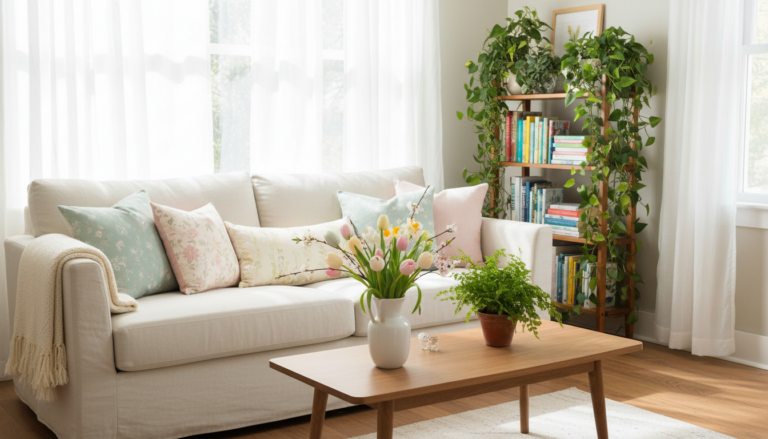
10 Best Spring Home Ideas for Small Spaces That Need More Light

How to Add Soft Handmade Details to Your Home This Spring

Decorating with Nature: 7 Simple Ways to Bring Spring Inside